
Nutrition’s Overlooked Role in Supporting Emotional and Mental Health
As we approach World Health Day 2025, the focus on mental health has never been more crucial. Anxiety, depression, and cognitive decline are at an all-time high, with the World Health Organization (WHO) reporting a 30% increase in mental health disorders globally. Yet, while therapy and medication are commonly discussed, one of the most fundamental factors—nutrition—is often ignored.
Did you know that 90% of serotonin, the “happiness neurotransmitter,” is produced in your gut? Or that your gut bacteria influence how you feel, think, and even react to stress? Welcome to the gut-brain connection, where what you eat directly impacts your mood, memory, and focus.
The Science Behind the Gut-Brain Connection
The gut is often called the “second brain” because it has its own nervous system, the enteric nervous system (ENS), which operates independently yet communicates directly with the brain via the vague nerve. This gut-brain axis plays a critical role in mood regulation, emotional stability, and cognitive functions.
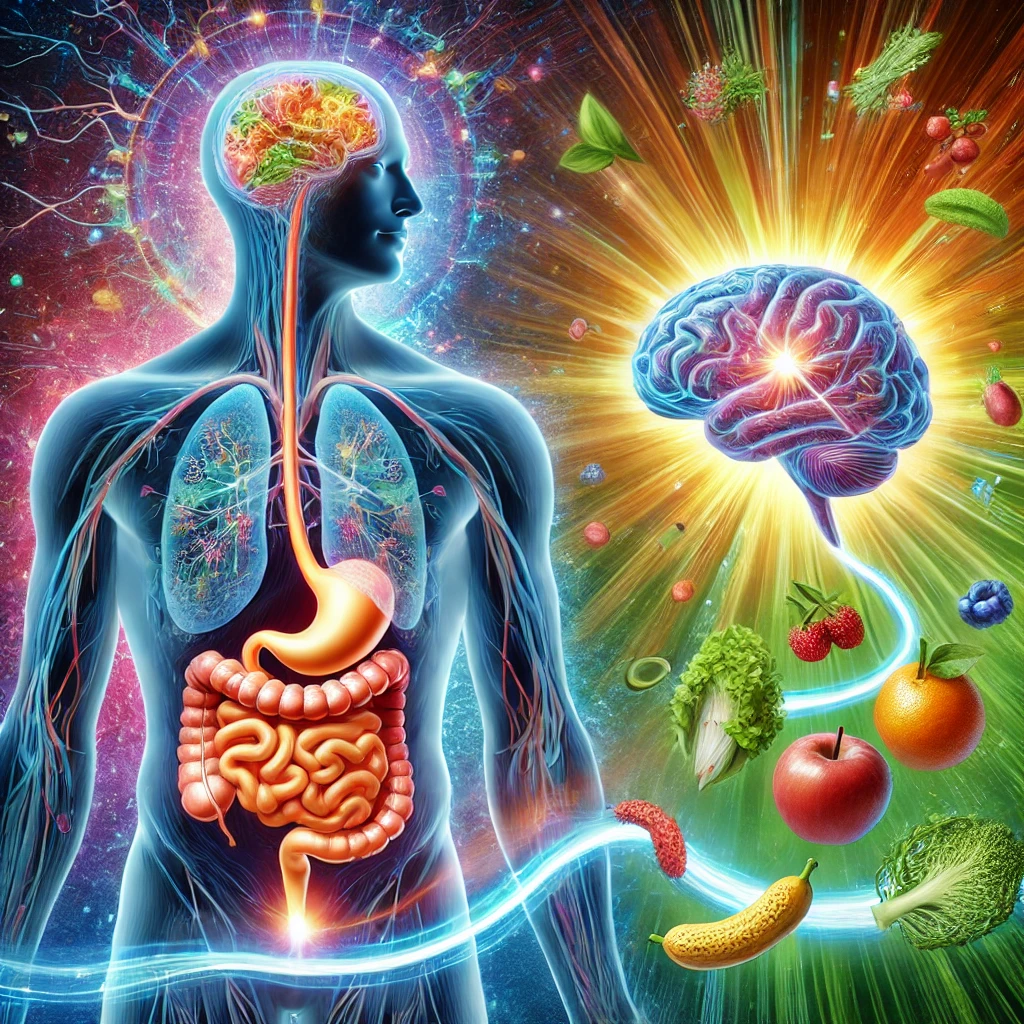
Key Psychological and Neurological Impacts of Gut Health
- Neurotransmitter Production:
Serotonin (mood booster) – 90% is produced in the gut, affecting depression and anxiety.
Dopamine (motivation & pleasure) – Gut bacteria help regulate dopamine, crucial for focus and motivation.
GABA (Gamma-Aminobutyric Acid) – A key neurotransmitter that reduces stress and promotes relaxation.
- Inflammation and Mental Health:
Poor diet leads to chronic gut inflammation, which increases cytokines (inflammatory markers) in the brain. This has been directly linked to major depressive disorder (MDD) and brain fog.
- Microbiome Diversity & Mental Resilience:
A diverse gut microbiome (rich in probiotics and fiber) enhances mental resilience, while a disrupted microbiome (due to processed foods, sugar, and artificial additives) increases susceptibility to anxiety and depression.
Real-Life Case Study: How Nutrition Transformed a Student’s Mental Health
During my counseling practice, I worked with Aarav, a 17-year-old preparing for competitive exams. He struggled with severe stress, brain fog, and mood swings. Despite meditation and therapy, his symptoms persisted.
Upon reviewing his lifestyle, I noticed his diet lacked gut-friendly nutrients. His daily intake included:
- Skipping breakfast (leading to blood sugar crashes)
- Excess caffeine (increasing cortisol, the stress hormone)
- Fast food meals (low in fiber, high in trans fats)
With small dietary adjustments, Aarav saw major improvements within 4 weeks:
- Probiotic-rich foods (curd, kimchi, kombucha) improved his mood.
- Magnesium-rich foods (nuts, seeds, dark chocolate) reduced his stress.
- Hydration & Omega-3 intake (flaxseeds, walnuts, fatty fish) enhanced focus.
Aarav felt mentally stronger, more energetic, and less anxious—a testament to the power of nutrition!
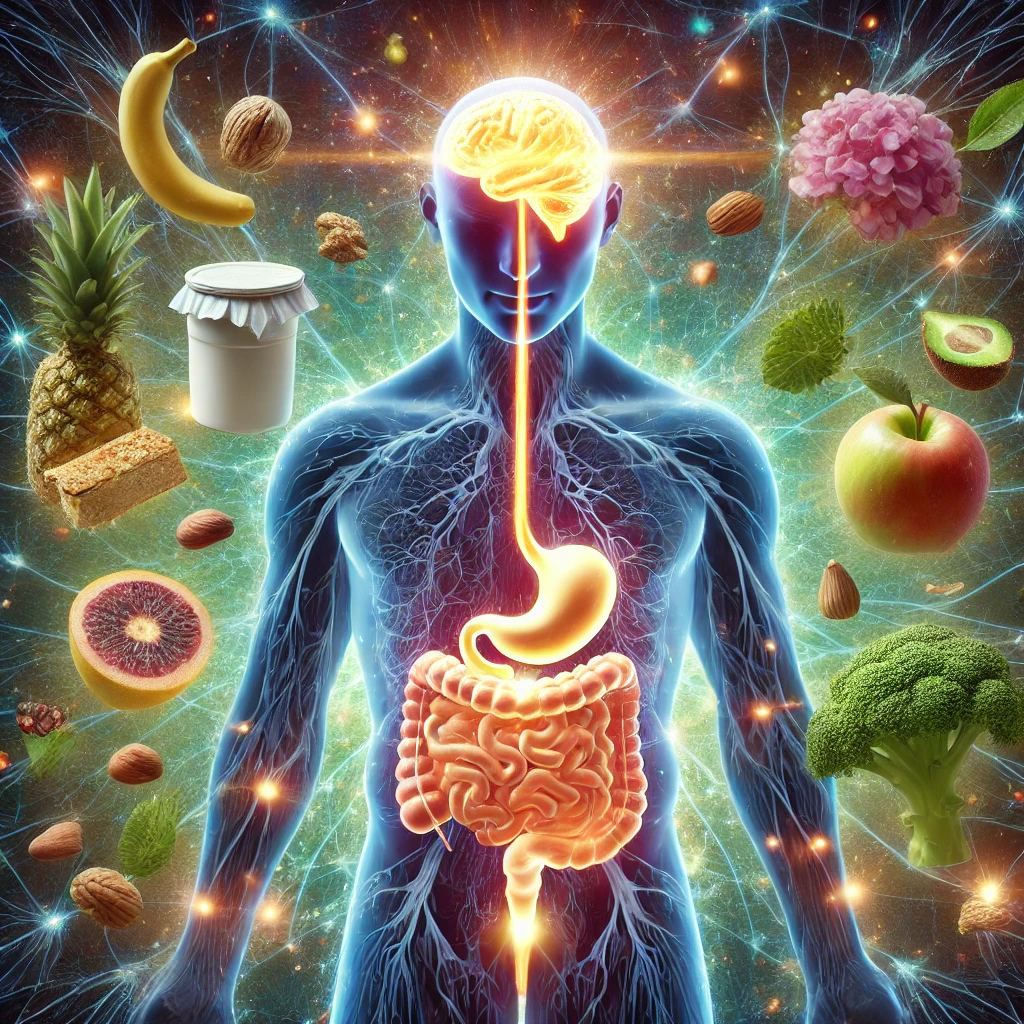
Building Mental Resilience
This year, World Health Day focuses on Healthy Beginnings, Hopeful futures, and gut health is a key pillar in this conversation.
Simple Yet Effective Ways to Boost Gut Health for Mental Clarity
- Eat More Fermented Foods:
Yogurt, kefir, sauerkraut, miso, and kombucha introduce beneficial probiotics.
- Increase Prebiotic Fiber:
Whole grains, bananas, onions, and garlic nourish healthy gut bacteria.
- Reduce Processed Sugars & Artificial Additives:
High sugar consumption is linked to increased anxiety and depressive symptoms.
- Stay Hydrated & Manage Stress Naturally:
Dehydration can affect cognitive function and emotional regulation. Herbal teas and lemon water help!
- Prioritize Sleep & Mindful Eating:
Poor sleep disrupts gut flora, leading to higher cortisol levels and emotional instability.
Final Thoughts: Healing the Mind Through the Gut
In 2025, mental well-being is more than therapy and medication—it starts in the gut. As we celebrate World Health Day, let’s shift our focus to food as medicine, recognizing its profound impact on our emotions, cognitive health, and resilience.
Your Challenge: Take One Small Step Today!
What’s one gut-friendly habit you can adopt today to boost your mental health? Let’s make 2025 the year we heal from within!