
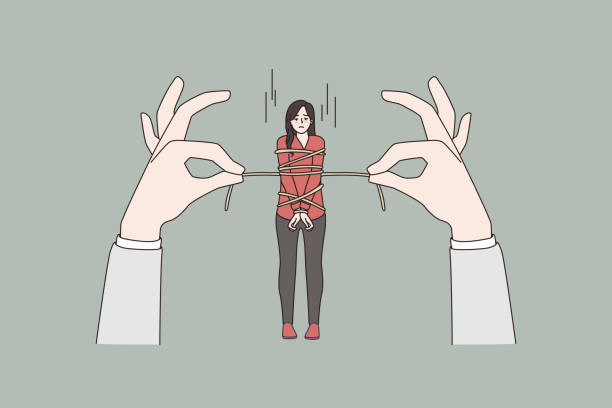
Beyond the Hash tags, the Reels, and the “Just Leave” Advice
Scroll through social media platforms, and you’ll see a flood of videos on toxic relationships.
Reels that say “Block him!” or “Know your worth and walk away!” Posts that celebrate cutting people off, labelling behaviours as red flags within seconds.
And while some of these videos are empowering and validating — especially for people stuck in truly harmful situations — there’s also a growing concern: We’re over-simplifying something that’s deeply complex.
As someone working closely in relationship and marriage counselling, I’ve seen first-hand that toxic relationships don’t always look like they do online. They’re not always loud, aggressive, or obvious. And they’re not always from him.
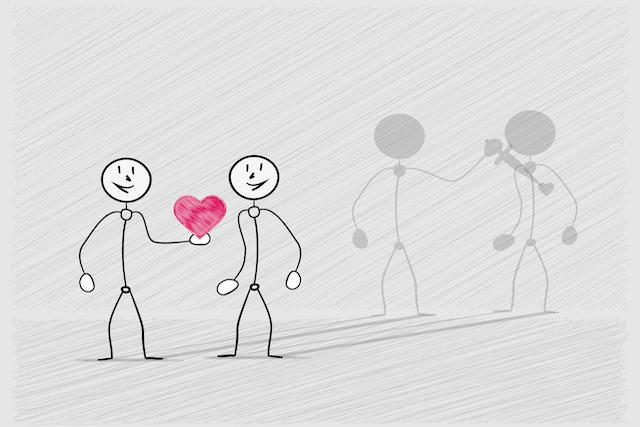
The Social Media Shortcut: Quick Labels, Quicker Conclusions
In today’s digital age, everyone’s a coach, a healer, or a relationship guru.
We’ve created a culture where the moment a partner is emotionally unavailable, the advice is: “That’s toxic. Dump them.”
If there’s conflict: “Leave. You deserve better.”
If there’s silence or struggle: “You’re being abused.”
But here’s what social media often misses:
Some people act distant not because they’re toxic — but because they’re depressed.
Some partners become controlling, not out of malice — but out of unresolved fear or trauma.
And sometimes, the person who seems “toxic” is actually hurting quietly, not hurting you intentionally.
What Real Counselling Shows Us
In therapy rooms, the stories aren’t filtered or scripted. They’re raw, emotional, and complicated.
And if there’s one thing I’ve learned, it’s this:
Toxicity isn’t about gender. It’s about patterns
Yes, there are women who are in abusive relationships — emotionally, verbally, and even physically. But there are also men suffering silently, misunderstood and emotionally manipulated, sometimes by their own partners or family members.
I’ve had cases where:
A husband was constantly blamed, belittled, and emotionally shut out — but no one believed him.
A sister kept controlling her younger sibling’s life choices in the name of “care.”
A mother-in-law emotionally isolated the daughter-in-law — and the husband stayed caught in the middle, helpless. These are not gender issues. They’re behavioral patterns — and they can come from anyone.
When the Labels Don’t Fit
Many wives walk into therapy saying, “My husband is toxic.”
But after exploring further, it turns out he’s struggling with past trauma or burnout from a demanding job.
He’s not manipulative — he’s emotionally exhausted.
She’s not wrong to feel hurt — but he’s not intentionally causing harm either.
And sometimes, the husband thinks his wife is just “overreacting” — when in fact, she’s carrying silent emotional wounds from years of unmet needs.
Toxicity and emotional pain are not always the same thing.
One is a destructive pattern.
The other is a cry for healing.
It’s Time to Talk about Emotional Abuse without Gender Bias
Raising awareness is crucial — and yes, many women do suffer silently in unhealthy relationships. But in the process, let’s not erase the many men who also feel stuck, judged, and broken in their own homes.
Let’s talk about:
Toxic parents who manipulate their children emotionally
Siblings who use guilt and silence as weapons
Partners (regardless of gender) who emotionally isolate or control each other
The goal is not to blame, but to bring balance to the conversation.
So, What Should You Do If You Suspect Toxicity?
If you’re confused about your relationship — ask these questions:
Is this behavior consistent, or is it triggered by stress, grief, or mental health issues?
Is there open communication or is everything a silent war?
Does the person take responsibility when you express how you feel — or always make it about you?
If the answers are hard and painful — it’s okay to seek help.
Not every relationship needs to end — but every person deserves emotional safety.
How to Handle Toxic Behaviour (or What Looks Like It)
Here are practical steps to manage emotionally harmful dynamics:
1. Observe Patterns, Not Just Incidents
Look beyond bad days — watch for repeated, hurtful patterns.
2. Name It Without Blame
Use “I” statements.
“I feel drained when I’m ignored for days.”
“I need us to talk, not shut down.”
3. Seek Professional Guidance
Whether it’s therapy, coaching, or support groups — don’t try to fix it all alone.
4. Protect Your Energy
Boundaries are not walls — they are filters. Decide what you’ll allow, and what you won’t.
5. Know When It’s Time to Leave If emotional abuse is consistent and there’s no change despite effort, leaving may be the healthiest choice.
Final Thoughts: Don’t Let Social Media Be Your Therapist
Toxicity is real. But so is healing.
Before you walk away — walk into a space of honest reflection, therapy, or professional support.
The truth is not always trending — but it’s always worth finding.
The goal isn’t just to escape — it’s to understand, heal, and protect your emotional well-being. Whether you stay and work through it, or you walk away, make sure it’s a choice rooted in clarity — not confusion.
Because you deserve relationships that are kind, balanced, and safe — regardless of gender or role.
Let’s not rush to break something that might be repairable.
And let’s not stay stuck in what’s breaking us either.