
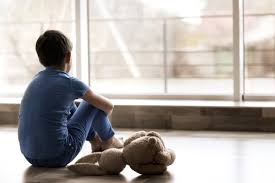
In a distracted world filled with digital smiles, countless children are quietly slipping into emotional darkness—overlooked. What appears to be laziness, tantrums, or mood swings may actually be childhood depression—a rising but frequently overlooked reality.
Based on the World Health Organization (WHO), approximately 1 out of every 7 people between the ages of 10 and 19 suffers from a mental disorder, and depression is one of the main causes of illness and disability in adolescents. Yet, most go undiagnosed and untreated, particularly in low- and middle-income nations where awareness is low.
Why Are Today’s Children Feeling So Lonely?
Today’s average child is more stimulated but less emotionally fed than ever. The reasons are complex—academic pressure, overexposure to screens, comparison with peers, less physical activity, and less emotional expression in the home.
Kids are not only stressed; many are also dissatisfied, disconnected, and unheard. Emotional loneliness doesn’t necessarily come from being alone. It results from feeling like nobody really “gets” them, even in a crowded room full of people.
Real-life snapshot: A bright 11-year-old who topped her class suddenly began refusing to attend school. After weeks of silence, she shared that she felt invisible—her achievements were acknowledged, but her struggles were not. Beneath her performance lay overwhelming anxiety and exhaustion.
What Does Childhood Depression Look Like?
Childhood depression doesn’t always show up in words like “I’m sad” or “I need help.” It often hides in behaviours.
Look out for:
Sudden loss of interest in favourite activities
Repeated fatigue or complaint of body ache without medical basis
Irritability, temper outbursts, or crying spells
School performance decreased
Appetite and sleep disturbances
Perception of worthlessness or excessive guilt
Commentary on disappearance or flight of ideas
These symptoms tend to come in subtle clusters. A child will refuse to attend birthday parties. Another will fixate on failing even after scoring high. The behaviour will shift, but the hurt behind it is common.
What Should We Say Instead?
Kids require emotional availability more than advice. Swapping well-intentioned but dismissing expressions with empathy-based language can make a huge difference.
Rather than downplaying their feelings, have a go at saying:
“I’m with you, even if I don’t know all the answers.”
“Describe how you feel on the inside. I’m listening.”
“It’s okay to not be okay. You’re not alone.”
“What you’re feeling is important to me.”
These kinds of words provide security. They serve as stepping stones to healing.
Small Steps, Big Impact: Self-Healing & Support Techniques
You don’t need to be a psychologist to make a child feel noticed and loved. Here are authentic, effective techniques that can be used by families and schools:
1. Emotional Check-ins Each Day
Ask questions such as, “What made your heart smile or ache today?”—this warmly invites emotional expression without pressure.
2. Art Therapy or Journaling
Give a place where kids can write, paint, or draw without criticism. It puts shape to their feelings they can’t always put into words.
3. Mindfulness and Movement
Basic breathing exercises, guided relaxation tales, or kid-friendly yoga calm emotions and soothe anxiety.
4. Create ‘Calm Corners’
Create safe spaces at home or in school with calming resources such as soft cushions, fidget materials, or affirmation cards to help children unwind.
5. Involve, Don’t Isolate
If a child appears to be resistant to counselling or assistance, invite them to go with you: “Shall we try this together?” makes them less alone.
6. Establish Routine With Flexibility
While structure is stabilizing, an inflexible schedule can be stressful. Combine routines with downtime, screen-free bonding, and play.
A Hopeful Outlook
The WHO stresses that early detection, understanding, and non-judgmental care can significantly enhance the well-being of kids with depression. Mental health isn’t a luxury—it’s a human right.
All kids should get more than to survive. They should feel safe, heard, and complete. They should live in a world where asking for help is never misunderstood as weakness but as wisdom.
Let’s be the parent, teacher, and caregiver generation that fills silences with care, fear with trust, and judgment with kind understanding.
Let’s raise children who say,
“When I was lost, someone stayed with me until I found my way.”