

Aditi Sinha
Reseach Officer at Delhi University
Cyber hygiene is the term used to describe the procedures and actions that users and organizations take to enhance cybersecurity and preserve system health. It encompasses the adaptive knowledge and behaviours necessary to mitigate risky online activities that could jeopardize an individual’s social, financial, and personal information, a risk that is significantly amplified when considering the security of entire nations.In the contemporary digital epoch, the concept of cyber hygiene has emerged as a paramount concern for individuals, organizations, and governments alike, necessitating a comprehensive understanding and implementation of proactive measures to mitigate the ever-evolving landscape of cyber threats.In India, the AIIMS Delhi cyberattack in 2022 paralyzed hospital systems for nearly two weeks, exposing the fragility of critical infrastructure to poor cybersecurity practices and unpatched systems. The surge in cybercrime, propelled by the proliferation of new technologies and the exponential growth of internet users, underscores the urgent need for robust cyber hygiene practices to safeguard digital lives. The essence of cyber hygiene lies in adopting fundamental cybersecurity practices, akin to personal hygiene, to maintain the health and security of digital assets. Addressing the human element in cybersecurity is crucial, as poor cyber hygiene practices among internet users have been identified as a critical factor undermining the overall acceptance and adoption of internet technology.
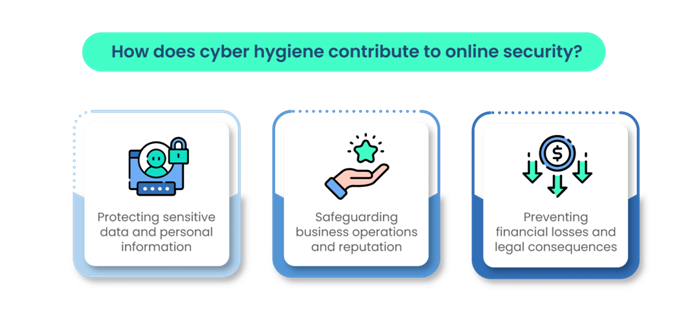
Cybersecurity is not solely a technological issue but also a human one, highlighting the need to cultivate effective cybersecurity behaviours and awareness among users from diverse backgrounds. According to a 2023 report by IBM, 95% of cybersecurity breaches are caused by human error, underscoring the critical role that individual behaviour plays in securing digital environments. Moreover, the average cost of a data breach globally has risen to $4.45 million, demonstrating the financial consequences of poor cyber hygiene practices.Building on this understanding, it becomes essential to integrate cybersecurity education into everyday digital practices, ensuring that users are not only aware of threats but are also equipped to respond appropriately. This means fostering a culture where secure behaviours—such as questioning suspicious emails, using strong passwords, and reporting anomalies—are second nature. Since users vary in age, technical literacy, and cultural context, cybersecurity awareness programs must be inclusive, accessible, and tailored to different learning needs. Empowering individuals through continuous education and practical engagement helps bridge the gap between technology and its responsible use, ultimately strengthening the human firewall that complements technical defences.
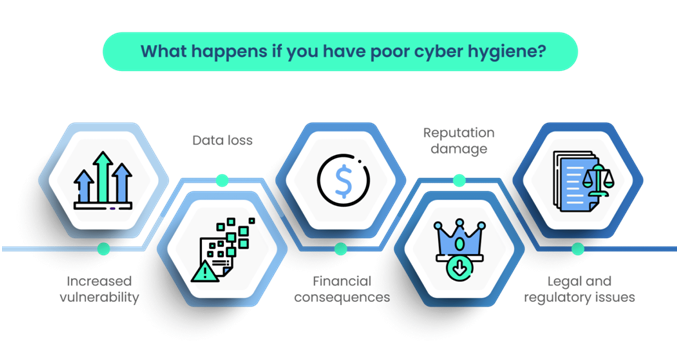
A real-world example that highlights the impact of cyber hygiene failures is the 2017 Equifax data breach, where the personal data of over 147 million people was exposed due to the company’s failure to patch a known vulnerability in a timely manner. This breach not only caused immense financial loss and reputational damage but also led to regulatory scrutiny and legal consequences.Similarly, in 2021, the Colonial Pipeline ransomware attack crippled fuel supplies along the U.S. East Coast and was traced back to a compromised employee password—an incident that could have been prevented with stronger authentication and password hygiene.To foster a resilient digital environment, it is crucial to adopt a comprehensive set of cyber hygiene practices that address both technical safeguards and user behaviour. The following key measures form the foundation of a proactive cybersecurity strategy, helping individuals and organizations minimize risks and respond effectively to emerging threats.
Regular Software Updates:
Keeping all software—operating systems, applications, antivirus programs, and device firmware—up to date is fundamental to cyber hygiene. Software vendors regularly release patches to fix known vulnerabilities that hackers can exploit. By consistently applying these updates, users and organizations can significantly reduce their exposure to cyber threats.

Strong Authentication Practices:
Secure access starts with strong authentication. This involves using complex, unique passwords for different accounts and avoiding reuse. Additionally, enabling multi-factor authentication (MFA)—which requires a second form of verification such as a code sent to a mobile device—adds an extra layer of defence against unauthorized access, even if a password is compromised.
Backup and Recovery:
Regular backups are essential to protecting against data loss due to hardware failure, ransomware attacks, or accidental deletion. These backups should be stored in secure, preferably encrypted, locations both offline and in the cloud. It’s equally important to periodically test recovery procedures to ensure that data can be restored quickly and effectively during an incident.
Antivirus and Anti-Malware Protection:
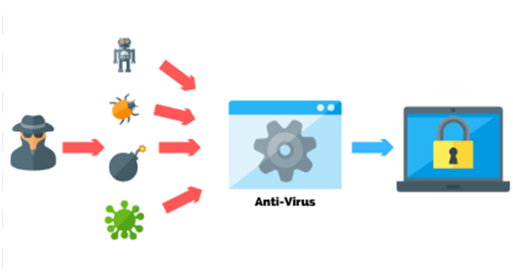
Installing reputable antivirus and anti-malware tools provides a frontline defence against a wide range of threats, including trojans, ransomware, and spyware. Regular scans and updates ensure these tools remain effective against the latest malware variants. They play a critical role in detecting and quarantining malicious software before it can do harm.
Access Control and Permissions
Effective access control limits user privileges based on role and necessity. Employees or users should only have access to the data and systems required for their tasks. Reducing administrative privileges and implementing role-based access control helps minimize the impact of potential insider threats or account compromises.
Secure Network Practices:
A secure network is vital for safe online activity. Firewalls help control incoming and outgoing traffic, VPNs encrypt data during transmission over public networks, and secure Wi-Fi settings protect wireless connections. Additionally, disabling unused ports and services reduces the number of entry points available to attackers.
Data Encryption:
Encryption ensures that even if data is intercepted, it remains unreadable without the correct decryption key. It is important to encrypt sensitive data both at rest (stored on devices or servers) and in transit (during online communication). The use of secure communication protocols like HTTPS and SSL/TLS is essential in protecting data integrity and confidentiality.
In conclusion, practicing good cyber hygiene is not a one-time effort but an ongoing commitment to maintaining the security, privacy, and integrity of digital systems. With increasing reliance on digital infrastructure and rising incidents of cyberattacks—from phishing to nation-state intrusions—combining technical measures with informed user behaviour is vital. Real-world incidents such as the Equifax, Colonial Pipeline, and AIIMS Delhi breaches highlight the tangible risks of neglecting cybersecurity fundamentals. As the digital landscape continues to evolve, staying vigilant, regularly updating practices, and fostering a culture of cybersecurity awareness will be key to ensuring long-term digital resilience and trust across all levels of society.