

By Ms. Shweta Jhamb, Rehabilitation Psychologist & Career Counselor
Why Now?
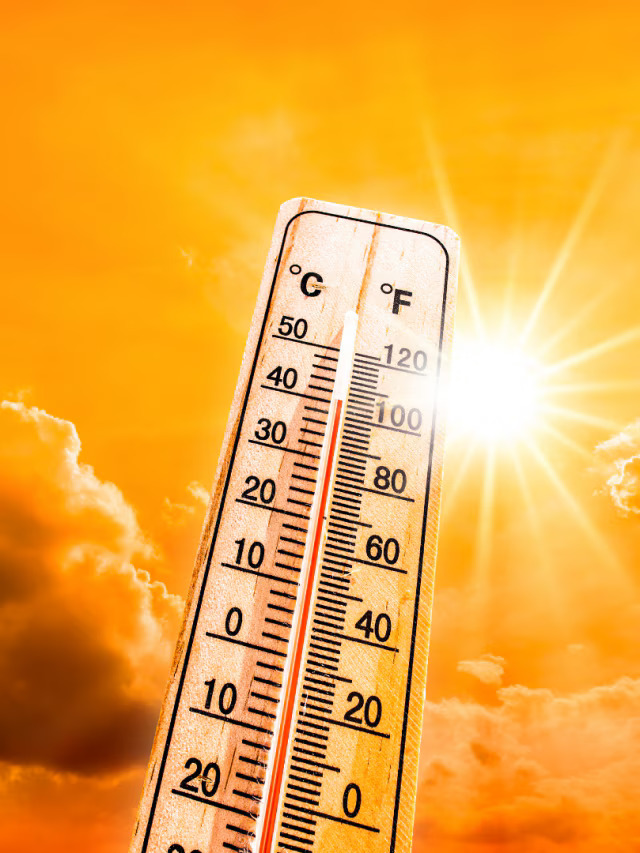
As the weather heats up in May and June throughout much of the globe, particularly in tropical and semi-arid climates like India, we see not only physical fatigue—but mental and emotional fatigue too. Have you ever wondered why tempers more quickly fray, patience wears thinner, or tears come more readily during hot weather months? It’s not just your imagination—it’s brain chemistry.

The Science: How Heat Influences Mood and Behavior
Heat impacts the hypothalamus, the brain’s thermostat, which regulates body temperature, thirst, fatigue, and emotional response. Rising temperatures can disrupt:
Serotonin levels (our natural mood stabilizer)
Sleep cycles due to poor rest in hot environments
Hydration balance, which affects brain function
Cognitive clarity, causing confusion, irritability, or low motivation
A study published in The Lancet Planetary Health found that extreme heat is linked to an increase in mood disorders, especially anxiety and aggression.
Stories of Summer Heat
1. Aarav’s Silent Outbursts (Age 14)
Aarav, an academically bright teenager from Delhi, went abruptly quiet, irritably snapping at his younger sister and losing interest in academics. Parents suspected it was mere screen exhaustion. But during our session, it was revealed that he was not sleeping well because of heat and skipping meals and hydrations. With simple adjustments such as better sleep temperatures, a hydration monitor, and screen curfew at 9 PM, his mood normalized.
2. Rina’s Short Fuse (Working Mom, Age 38)
Rina, who works in a bank in Nagpur, reported that she had started yelling at her husband and kids by the evening. The air conditioner in her office hardly worked, and by the time she returned home, her mental capacity was zero. We implemented a 3-point plan:
Cool showers after work,
15-min decompression period prior to family interaction,
Electrolyte-rich hydration throughout the day.
This assisted her in re-establishing control over reactions.
Family Dynamics Under Heat Stress
The Suri Family
Last week was very hot, and there was constant bickering between parents and adolescent sons. Mealtimes were irregular, and everyone had screen devices stuck to their hands to “escape.” In family counseling, there was an evident pattern of dehydration, lack of sleep, and emotional disconnection.
Action Taken:
Introduced a “Heat Harmony” Plan:
Hydration alarm every 2 hours
Screen-free dinner time with cooling foods such as curd, watermelon, lemon water
Shared evening activity (card games or light walks indoors)
Within 10 days, the tone of family interactions became noticeably calmer and connected.
How to Care for Your Brain & Mood DuringHeatwaves
1. Hydration Is Brain Fuel
Don’t wait to feel thirsty. Sip water throughout the day.
Use ORS or lemon-salt water to replenish electrolytes.
2. Protect Your Sleep
Use cotton sheets and steer clear of naps longer than 30 minutes.
Take a lukewarm shower before bedtime to stabilize body temperature.
3. Cool the Screens, Cool the Mind
Steer clear of intense screen time from 12–4 PM.
Utilize blue light filters post-sunset.
Establish gadget-free windows for peaceful connection.
4. Utilize “Mood Cooling” Strategies
Engage in deep breathing or progressive muscle relaxation
Check in with household members—sometimes a cold drink and a nice word can change the mood of an entire day
Keep a “Heat Mood Journal”—record days when emotions peak and recognize patterns (sleep, hydration, screen time)
Remember: Emotions Are Contagious
When we lose our cool in the heat, we tend to pass that emotional fever on to our loved ones. By being aware of this “emotional heatwave,” we can stop, catch our breath, and start over.
The heat outside can be blinding—but with caution, awareness, and hydration, the heat inside your home and heart doesn’t have to be.