
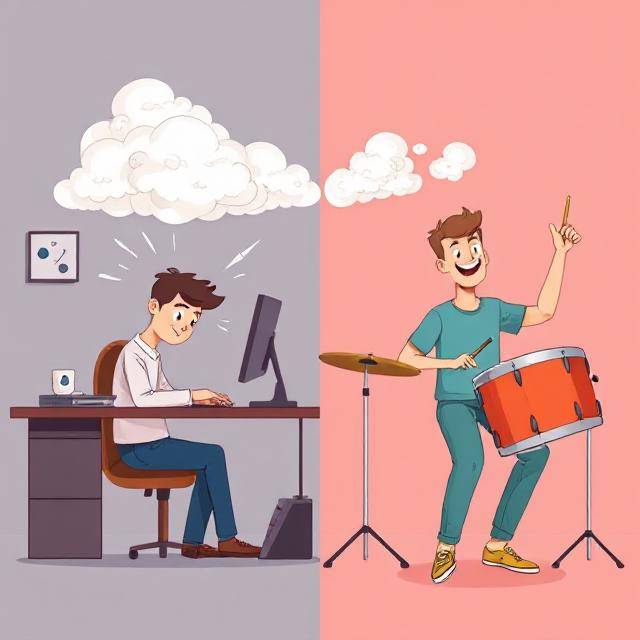
The Value of Cultivating a Hobby for Mental Wellbeing
We live in a world where deadlines, digital alerts, and perpetual connectivity have become
our daily reality, and yet, mental health is no longer about coping with stress—it’s about
cultivating deliberate spaces for joy, creativity, and self-expression. Among the most
overlooked yet potent methods to do this balancing act is by cultivating a hobby.

Why Hobbies Are Important in Today’s World
Mental health experts in 2025 state that hobbies are not merely “time-pass activities.” They
are evidence-based solutions for enhancing concentration, lowering anxiety, and building
resilience. American Psychological Association (2024) research points out that individuals
spending at least 30 minutes, three times a week, on their hobbies cite 35% lower stress
levels and 23% increased life satisfaction.
In a world dominated by artificial intelligence, remote work, and screen-centric lifestyles,
hobbies provide a welcome “digital detox”—a respite that enables the mind to refresh while
remaining productive in an innovative manner.
Some of my successful counselling cases clearly demonstrate how nurturing a hobby has
helped individuals overcome anxiety and find a calmer, more balanced state of mind.
Riya, a 28-year-old IT employee from Bangalore, was bogged down with extended work-
from-home hours. She began pottery as a hobby on weekends. Shaping clay gave her a
sense of grounding, and she started seeing a decrease in her anxiety-related headaches. Go
figure. She now sells her pottery work online and earns a part-time income.
Arjun, a 15-year-old student sitting for board exams, had difficulty concentrating because of
continuous gadget use. When I as a school counsellor advised him to take up gardening.
Plant care became his daily mindful practice. In months, he improved in concentration, and
he also became less anxious prior to exams.
Company wellness initiatives in 2025 now invite employees to talk about their hobbies
during “hobby hours.” For example, one of a Gurgaon company, Friday nights are dedicated
to employee-led storytelling, music, or baking sessions. HR reports indicate enhanced
collaboration and less burnout since the program started.
Psychological Benefits of Having a Hobby
- Stress Relief – Painting, knitting, or simply playing chess engages the brain’s “flow state,” where concerns disappear, and the mind concentrates solely on the activity.
- Building Self-Esteem – Acquiring a new skill or producing something concrete instills confidence.
- Social Bonding – In 2025, hobby clubs in apps such as Meetup and even virtual reality sites enable individuals to meet others around the world with similar interests.
- Emotional Control – Hobbies are safe avenues to ventilate emotions that may otherwise accumulate to stress or fury.
- Burnout Resilience – Frequent hobbies provide a rhythm of work and play, enabling individuals to recover more quickly from the trials of life.
Hobbies for Today’s Lifestyle
In 2025, hobbies are no longer just painting or music. Some popular ones are:
Urban Gardening – Even a tiny balcony garden provides a feeling of growth and serenity.
Digital Art & Content Creation – A fusion of creativity and technology.
Mindful Cooking – Discovering new cuisines as a means of therapy.
Adventure Sports – Cycling, trekking, or marathon training, which have physical as well as
mental wellness benefits.
Journaling & Creative Writing – Assisting individuals in managing their emotions and
thinking about their day.
A Simple Start
You don’t have to spend money on tools or waste hours of free time. Start with 15 minutes
a day—sketching, reading, dancing, or even playing around with photography on your
phone. Consistency, not perfection, is the goal.
Final Thought
In 2025, where mental well-being is finally discussed more openly, hobbies are not a luxury
anymore—but a necessity. They are self-sanctuaries, providing us with balance in the chaos,
meaning in monotony, and joy in little creations.
As the saying goes: “We don’t just need time to work and rest, we need time to
play—because play heals.”