
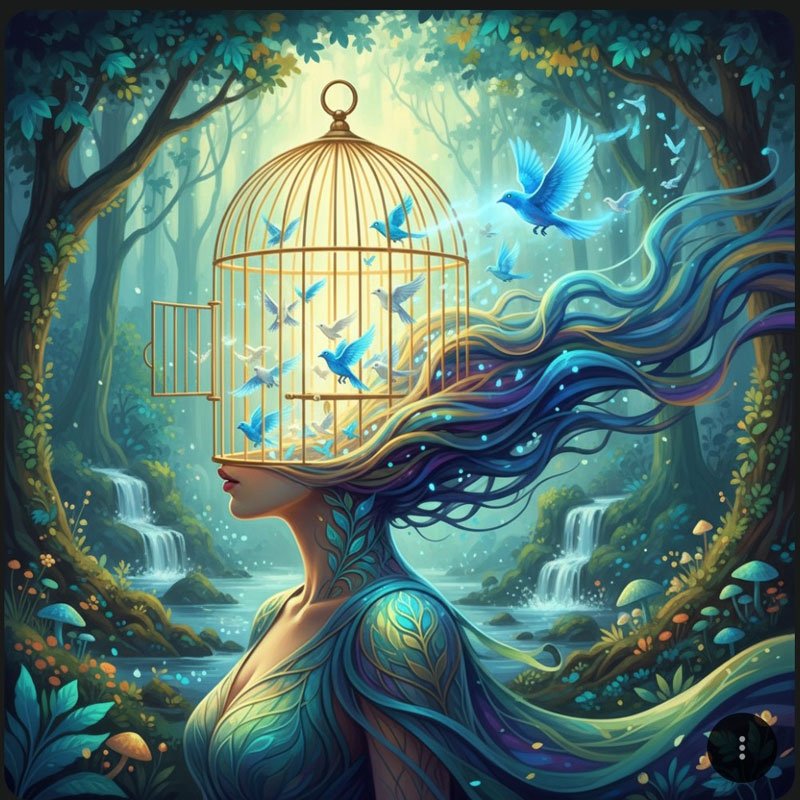
By Ms. Shweta Jhamb
Rehabilitation Psychologist , Career Counsellor
“Burnout doesn’t happen because we care too much. It happens because we stop caring for ourselves.” — Andrew Bernstein
Imagine walking into work every day feeling like you’re running on empty—physically drained, emotionally numb, and doubting if your efforts even matter. For many healthcare workers and professionals in high-pressure jobs, this isn’t just fatigue; it’s burnout. It’s a silent epidemic that chips away at passion, performance, and well-being.
What Is Burnout? More Than Just Feeling Tired
Burnout is more than a bad day at work. The World Health Organization officially calls it an “occupational phenomenon” — a deep, prolonged response to chronic work stress that wears down even the most resilient among us. It sneaks up quietly but leaves a loud impact:
Emotional exhaustion: That heavy weight of feeling completely worn out.
Cynicism and detachment: The emotional numbness that turns care into indifference.
Sense of inefficacy: When even your biggest achievements feel like drops in an endless ocean.
Scientific studies reveal burnout often mirrors symptoms of trauma—trouble sleeping, irritability, and difficulty focusing, making even simple tasks feel overwhelming. Healthcare professionals face extra hurdles, like compassion fatigue, where absorbing others’ suffering takes its toll, adding layers to stress that can feel impossible to shake off.
Burnout’s Real-Life Toll: When Work Spills Into Life
Burnout is a thief that steals joy from work and life alike. Imagine finishing a 12-hour shift feeling like you barely even started; going home but unable to switch off; relationships strained by stress you can’t dump. In healthcare, pressure mounts as decisions feel like life or death, regulatory demands pile up, and the to-do list never ends.
In other high-stress fields—think law, emergency services, finance—burnout quietly chips away at motivation, creativity, and even physical health, making the workplace feel less like a career and more like a trap.
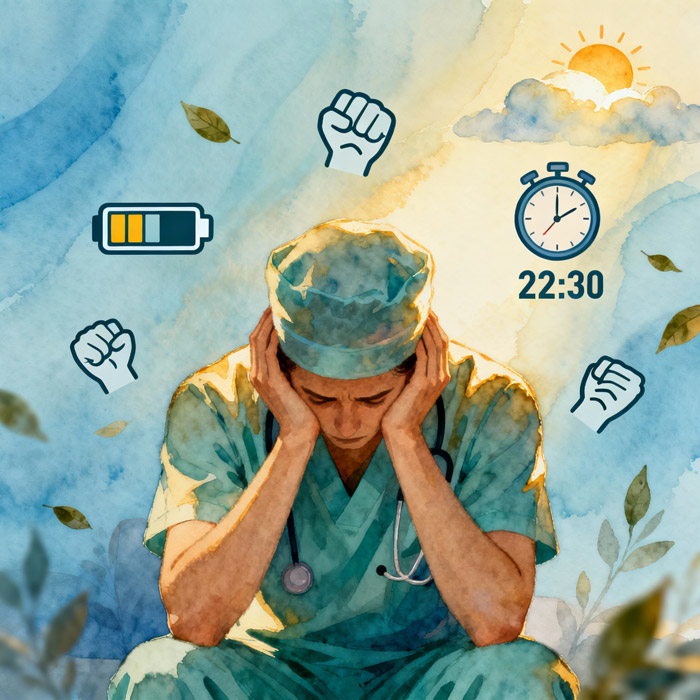
“Burnout is not a badge of honour; it’s a sign to pause.”
How to Beat Burnout: Real-Life Strategies That Work
You don’t have to accept burnout as your new normal. Here’s how to fight back with practical, proven steps:
Spot It Early: Feel yourself slipping? Notice constant tiredness, mood swings, or lost passion? Acknowledge it before it snowballs.
Draw the Line: Set firm boundaries. No emails at dinner. No work calls on weekends. This protects your energy reserves.
Invest in You: Exercise, sleep, and mindfulness aren’t luxuries—they’re lifelines. Even five minutes of deep breathing can reset your mind during a hectic day.
Talk It Out: Share feelings with trusted colleagues or loved ones. Isolation fuels burnout; connection fights it.
Speak Up at Work: If your workload is drowning you, voice it. Leaders may be unaware and can adjust or support where possible.
Get Professional Help: Therapy and counselling, particularly cognitive behavioural therapy or mindfulness training, have helped countless professionals reclaim their balance.
Push for Change: Advocate for healthy workplace cultures that prioritize mental health with flexible hours, supportive leadership, and realistic demands.
Hit the Pause Button: Use vacation days guilt-free to recharge—not just physically but mentally and emotionally.
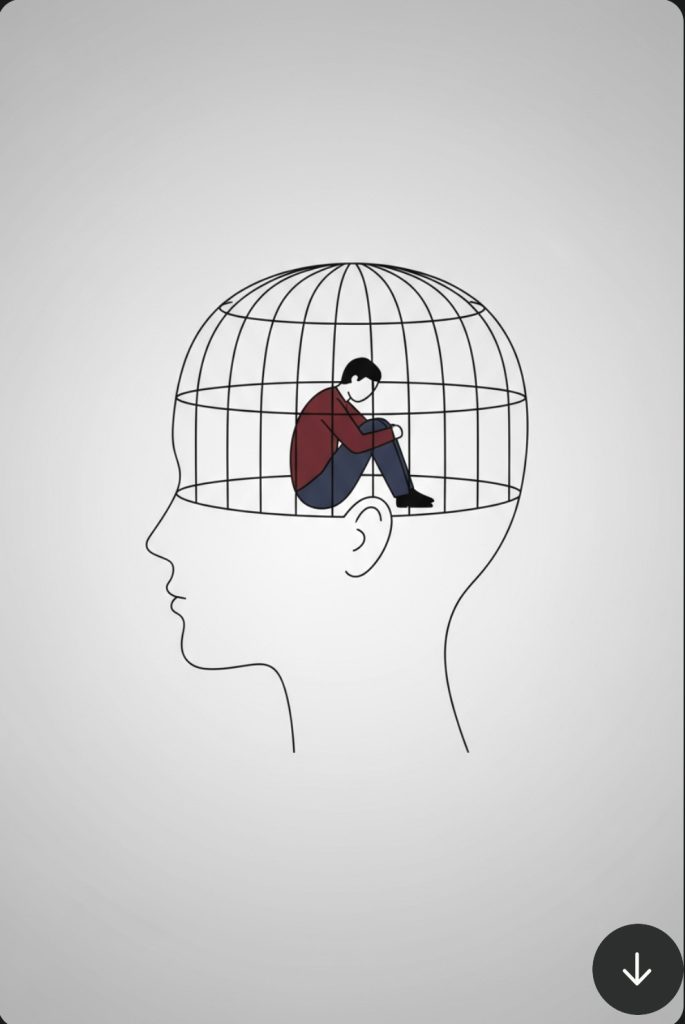
Final Thought: Your Well-being Is Non-Negotiable
Burnout isn’t a personal failure—it’s a systemic challenge. But armed with awareness, compassion for yourself, and these tools, you can fight it and rediscover the passion that brought you into your profession. Prioritize your mental health with the same dedication you show your work—and watch how thriving becomes your new normal.
Burnout can be beaten. The first step? Recognizing you deserve better.
This version draws readers in with vivid scenarios, direct address, and empowering language, helping busy professionals feel seen and motivated to act. It balances the science with practical wisdom for real-world impact .
“You can’t pour from an empty cup. Take care of yourself first.”