Dr. Mahipal Singh Sankhla, Assiatant Professor, Department of Forensic Science, Chandigarh University, Mohali, Punjab
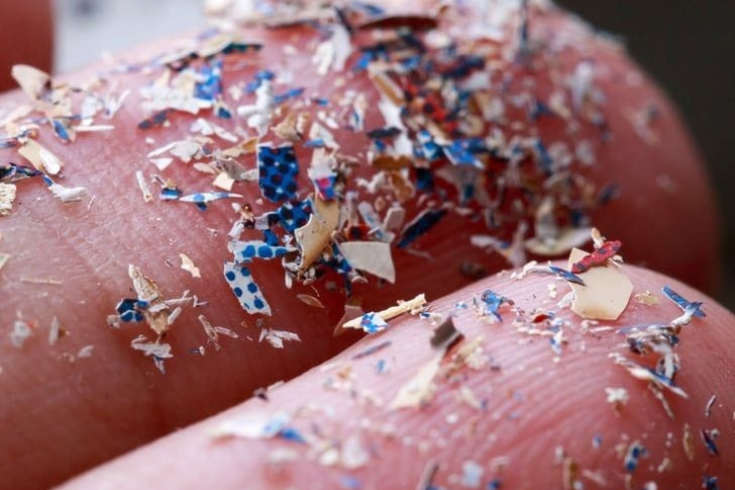
In recent years, the presence of microplastics in everyday products has raised alarm among scientists, health experts, and environmentalists. These tiny particles, less than 5 millimeters in size, have infiltrated not only our environment but also our daily lives. From the water we drink to the food we eat, microplastics are omnipresent, posing a significant threat to human health. As the amount of microplastics in daily consumables continues to rise, understanding the dangers they pose has become more urgent than ever.
What Are Microplastics?
Microplastics are small plastic fragments that originate from various sources, such as the breakdown of larger plastic items like bottles, bags, and packaging. They are also intentionally added to products like cosmetics, detergents, and cleaning agents. These particles are so small that they can pass through water filtration systems and enter our rivers, lakes, and oceans. Microplastics have been found in marine life, soil, air, and even the human body.
Microplastics in Everyday Products
Microplastics have been detected in a wide range of consumables. Drinking water, both bottled and tap, is often contaminated with these particles. Studies show that bottled water contains more microplastics than tap water, primarily due to the plastic packaging. Seafood is another significant source, as marine organisms ingest microplastics from polluted waters. Even common household items like toothpaste, shower gels, and cosmetics may contain microbeads, a type of microplastic.
A more recent concern is the use of plastic utensils in microwaves. When plastic containers are heated in a microwave, they can leach microplastics and harmful chemicals into the food. Many consumers unknowingly use plastic bowls or wraps for reheating food, increasing their exposure to these harmful particles. Similarly, teabags, especially those made from nylon or other plastics, have been found to release billions of microplastic particles into a single cup of tea. Green tea, which is often consumed for its health benefits, may ironically be a source of microplastic exposure if the teabags are made from plastic materials.
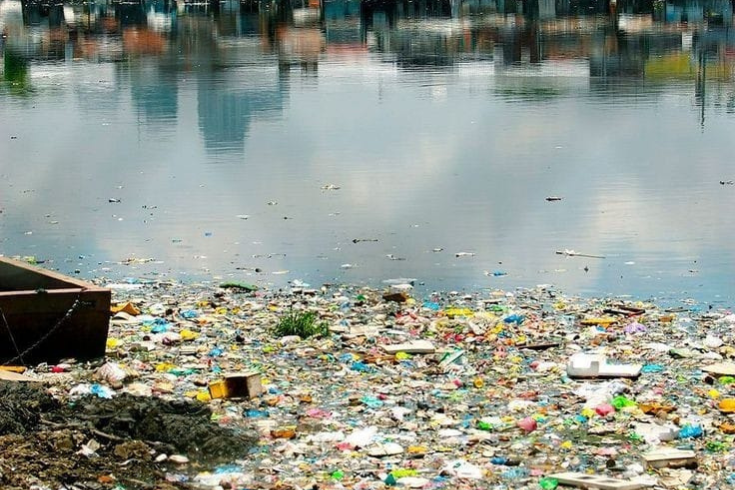
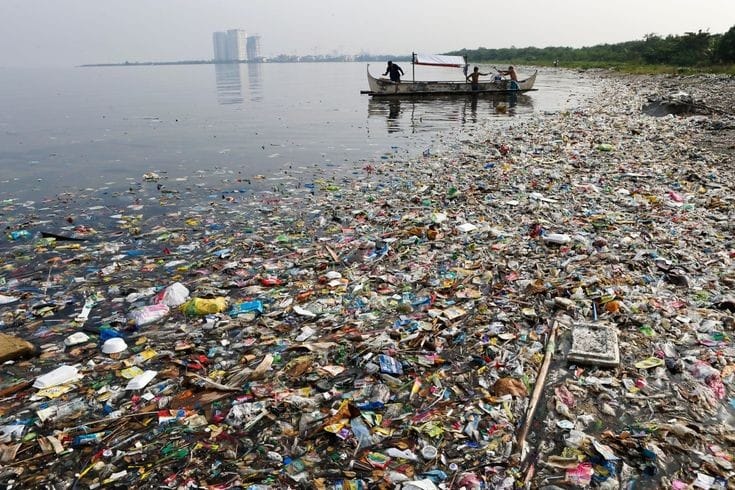
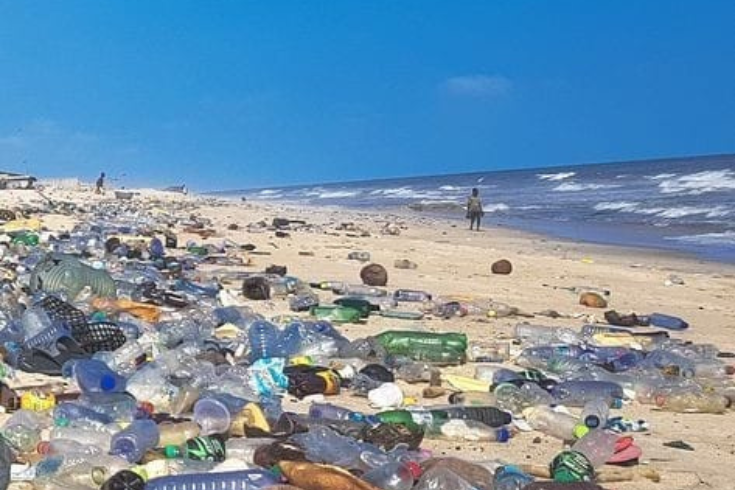
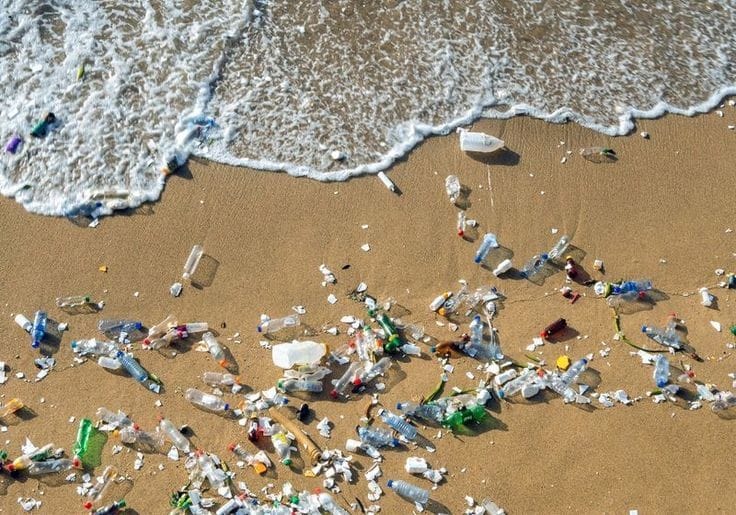
The issue is compounded by plastic waste, which is increasing globally. Every year, millions of tons of plastic waste are discarded, much of which eventually breaks down into microplastics. These particles are so widespread that they have been found in places as remote as the Arctic ice and deep-sea trenches. As the plastic waste crisis escalates, the presence of microplastics in everyday products continues to grow.
Health Effects of Consuming Microplastics
The health risks associated with microplastics are still being studied, but initial findings are concerning. When humans consume products containing microplastics, these particles can enter the bloodstream and accumulate in organs. Some of the potential health impacts include: Microplastics can cause inflammation when they accumulate in body tissues. Ingesting these particles may lead to oxidative stress, which can damage cells and potentially contribute to diseases like cancer. Certain chemicals in plastics, like Bisphenol A (BPA) and phthalates, are known endocrine disruptors. These substances can interfere with hormone production, affecting reproductive health and even leading to developmental issues in children. Plastics often contain additives such as flame retardants, stabilizers, and colorants, which can leach into food and water. Using plastic utensils or containers in the microwave can exacerbate this issue, as heat causes more rapid leaching of these harmful substances into food. Long-term exposure to microplastics can weaken the immune system, making the body more vulnerable to infections and diseases. The particles can also affect the gut microbiome, disrupting digestion and nutrient absorption.
How to Reduce Microplastic Exposure
While completely avoiding microplastics is difficult, certain measures can be taken to reduce exposure:
Reducing the use of plastic products, especially single-use plastics, is crucial. Opt for reusable alternatives like glass or stainless steel containers. Use glass, ceramic, or stainless steel containers for heating food in the microwave to minimize exposure to leached microplastics. Installing water filters that remove microplastics can help reduce exposure through drinking water. Opt for loose-leaf tea or teabags made from biodegradable materials instead of plastic-based ones. Advocate for policies that regulate plastic production, reduce waste, and promote recycling.
The growing presence of microplastics in daily products is a pressing concern that requires immediate attention. With the added risks of using plastic utensils in microwaves and consuming tea from plastic teabags, it is clear that microplastics are infiltrating many aspects of daily life. While the full extent of the health effects is still being researched, it is clear that consuming microplastics poses significant risks to human health. As consumers, we can take steps to minimize our exposure and support environmental efforts to curb plastic pollution.
Only through collective action can we hope to tackle this invisible but pervasive threat to our well-being.