
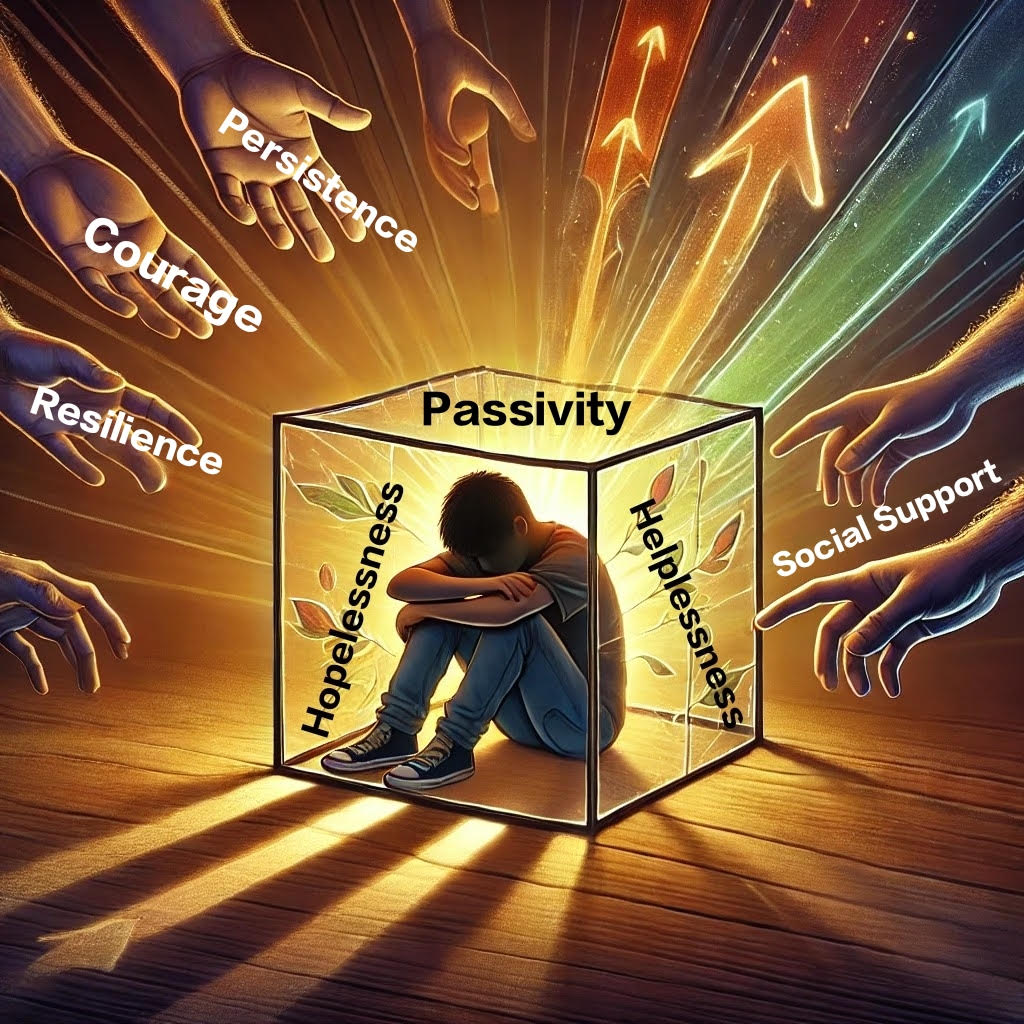
Understanding Learned Helplessness: Breaking Free from the Cycle at Any Age
Have you ever felt like no matter how hard you try, nothing changes? Like you’re stuck in a loop where no amount of effort seems to make a difference? This experience is not exclusive to teenagers—adults, professionals, and even highly capable individuals can fall into this mental trap. Learned helplessness is a psychological state where repeated failures or uncontrollable events lead to a belief that future efforts are pointless. This mindset can hinder personal growth, career advancement, mental well-being, and even parenting. However, overcoming learned helplessness is possible with the right strategies and mindset shifts.
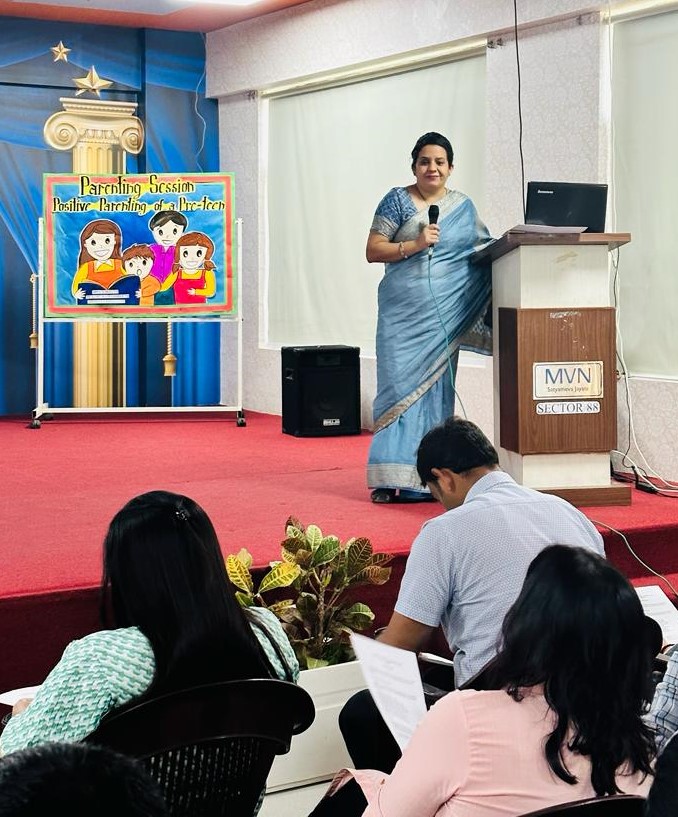
Ms.Shweta Jhamb: Rehabilitation Psychologist and Special Educator
Real-World Example: Struggles Across Different Life Stages
- Recognize and Challenge Negative Thought Patterns: The first step in breaking free is identifying self-defeating thoughts. Whether it’s “I’ll never get promoted” or “I can’t make friends,” pause and challenge these beliefs. Instead, reframe them as “I haven’t succeeded yet, but I can with the right approach.”
- Adopt a Growth Mindset: Stanford psychologist Carol Dweck’s research emphasizes the power of a growth mindset—the belief that abilities and intelligence can be developed through effort. Whether you’re a teenager struggling in school, a professional facing setbacks, or a parent navigating challenges, remind yourself that improvement is always possible.
- Take Small, Intentional Step: Big challenges can feel overwhelming, so break them down. If you’re trying to rebuild confidence at work, start by speaking up in small meetings. If you’re a teenager struggling with social anxiety, begin with a simple “hello” to a classmate. Progress is built on consistent, small actions.
- Seek Support and Guidance: Nobody succeeds alone. Reach out to mentors, colleagues, friends, or therapists who can offer guidance and perspective. In the workplace, networking and seeking mentorship can open doors. For parents, joining a support group or consulting a child psychologist can offer new strategies.
- Celebrate Small Wins: Acknowledging progress, even if minor, reinforces motivation. If you manage to speak confidently in one meeting, recognize that as growth. If your child responds positively to one parenting strategy, appreciate that moment instead of focusing on what still needs improvement.
- Reframe Failures as Learning Opportunities: Instead of viewing rejection, mistakes, or setbacks as proof of incompetence, see them as lessons. Ask yourself, “What can I learn from this?” This shift in perspective turns obstacles into stepping stones.
- Practice Self-Compassion and Mindfulness: People struggling with learned helplessness are often their harshest critics. Whether you’re an overwhelmed parent, a struggling student, or a frustrated professional, practice self-compassion. Treat yourself with the kindness and patience you would offer a friend in the same situation.
Final Thoughts: Taking Control at Any Stage of Life
Learned helplessness is not a permanent state—it’s a conditioned response that can be unlearned. Whether you’re a teenager facing academic and social pressures, a professional navigating workplace challenges, or a parent managing family stress, you have the power to break free from this cycle. Recognize your agency, challenge limiting beliefs, and take small steps toward change. No situation is truly hopeless—growth and progress are always within reach. So, what’s one small step you can take today to reclaim control over your life?