By Achievers Talk
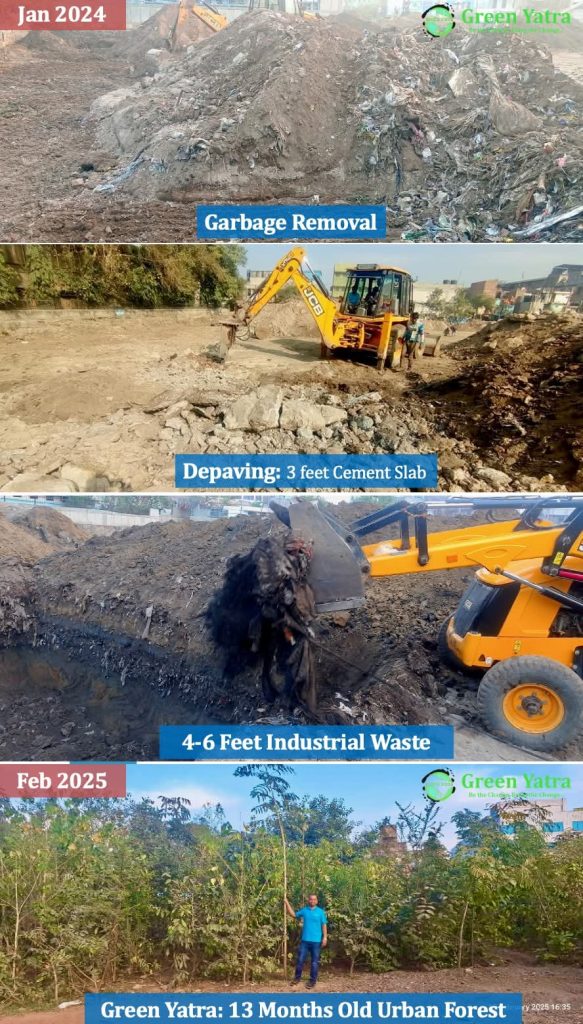
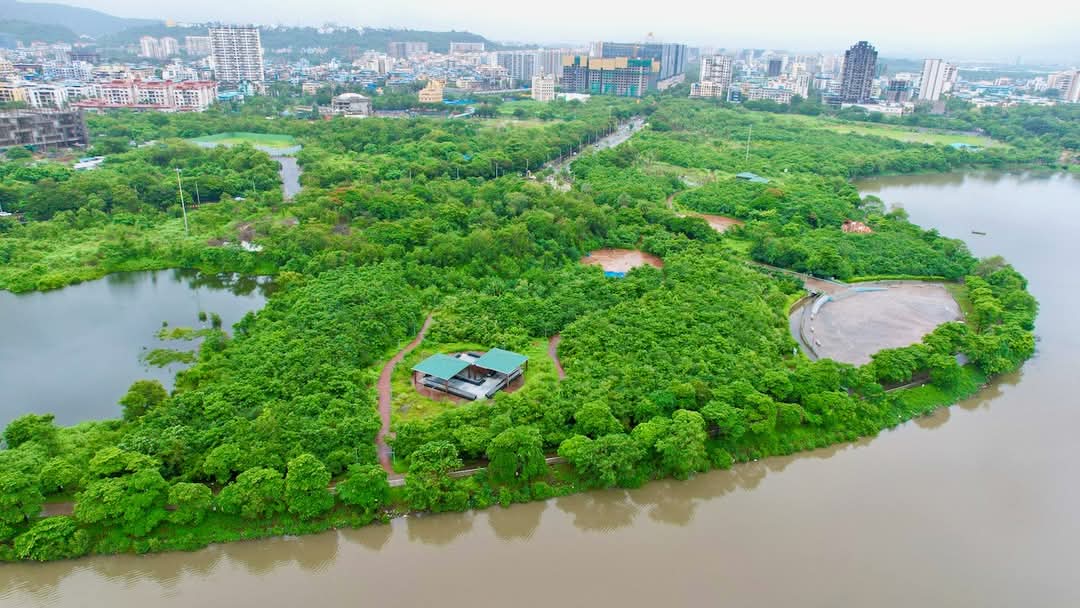
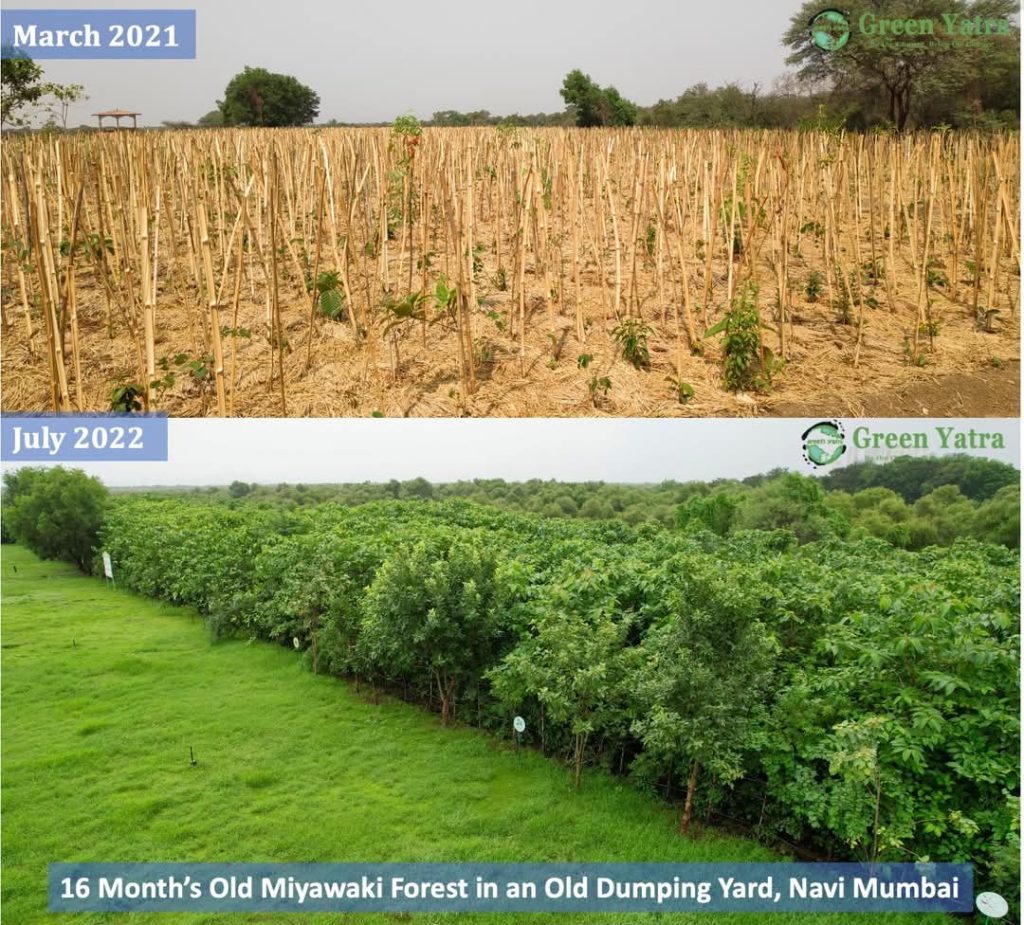
On the occasion of the International Day of Forests, Achievers Talk had the privilege of speaking with Mr. Pradeep Tripathi, a passionate environmentalist and the driving force behind large-scale afforestation, reforestation, and urban greening initiatives across India. With over 160 Urban Forests created and 25 lakh+ native saplings planted, his work has played a pivotal role in transforming 50+ landfill sites, debris yards, and barren lands into thriving biodiversity parks and green habitats. In this insightful conversation, Mr. Tripathi shares his journey, challenges, and vision for a greener, healthier planet.
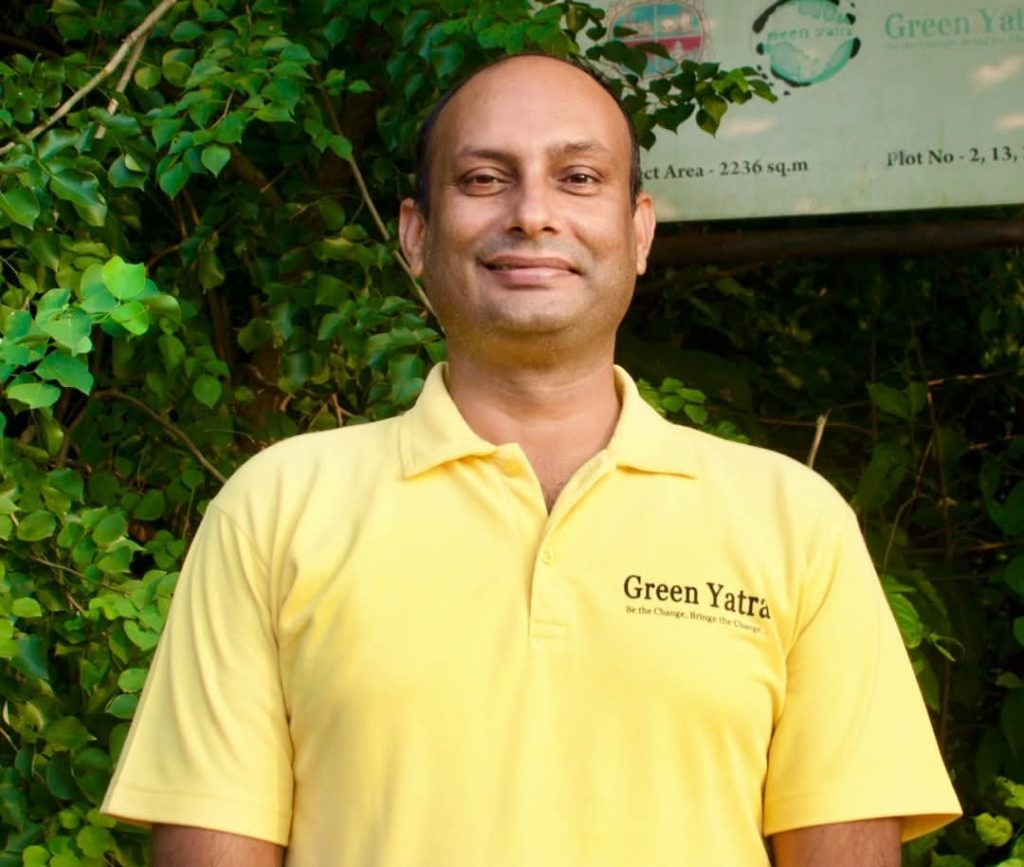
Q1: Mr. Tripathi, your work has been instrumental in restoring degraded ecosystems. What inspired you to embark on this journey?
Mr. Pradeep Tripathi: My inspiration comes from nature itself. Growing up, I witnessed the rapid depletion of forests and the increasing pollution levels in cities. I realized that restoring green cover was not just an environmental responsibility but a necessity for human survival. That’s how Green Yatra was born – with a mission to regenerate forests, improve air quality, and restore biodiversity.
Q2: You have successfully transformed landfills and barren lands into biodiverse urban forests. Could you share some key challenges and how you overcame them?
Mr. Pradeep Tripathi: Transforming degraded land into forests is a complex process. The biggest challenges include:
- Soil degradation – Landfill sites have highly toxic soil with no fertility. We use innovative soil remediation techniques, adding organic matter and microbial cultures to restore its health.
- Community engagement – Convincing local communities, municipal bodies, and industries to support afforestation projects takes persistent effort and awareness campaigns.
- Sustainability – Planting trees is one thing, but ensuring they survive and thrive requires long-term care, monitoring, and collaboration with local stakeholders.
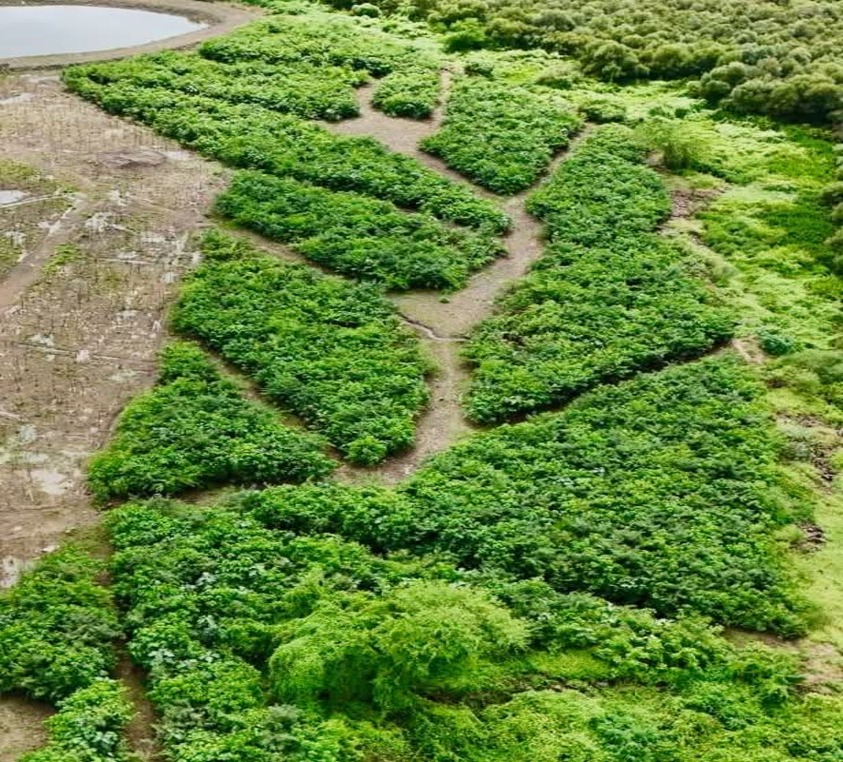
Through partnerships, innovative techniques, and a dedicated team, we have successfully overcome these hurdles.
Q3: What are some of your most impactful afforestation projects so far?
Mr. Pradeep Tripathi: One of our landmark projects is the transformation of waste dumping sites in major metropolitan cities into flourishing urban forests. In Mumbai, Delhi NCR, Bengaluru, and Pune, we have turned degraded spaces into oxygen-rich, self-sustaining forests. Another highlight is our Miyawaki Urban Forests, where we use the Japanese Miyawaki method to grow dense, fast-growing native forests in urban areas. These forests increase biodiversity, improve air quality, and act as carbon sinks.
Q4: With increasing urbanization, how can cities integrate more green spaces?
Mr. Pradeep Tripathi: Cities must prioritize urban afforestation by incorporating green roofs, vertical gardens, roadside plantations, and community forests in urban planning. Corporates can integrate ESG (Environmental, Social, and Governance) initiatives to plant urban forests as part of their CSR activities. Citizens can contribute by adopting trees, reducing waste, and protecting existing green spaces. Every effort counts!
Q5: What is your message to individuals and organizations on this International Day of Forests?
Mr. Pradeep Tripathi: Forests are the lungs of our planet, and their protection is non-negotiable. Whether you are an individual, a corporate, or a policymaker, you have a role to play. Let’s come together to restore green cover, conserve biodiversity, and build a sustainable future.
Plant a tree, protect a forest, and be the change!
Achievers Talk Takeaway
Mr. Pradeep Tripathi’s unwavering commitment to afforestation is truly inspiring. His vision of creating a “Green Oasis” is not just a dream but a movement that requires collective action. This International Day of Forests, let’s pledge to be part of this revolution and reforest the future—one tree at a time!