
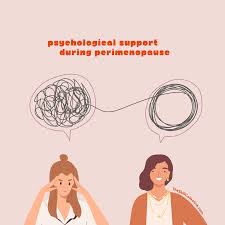
By Shweta Jhamb, Rehabilitation Psychologist & School Counselor
What is Perimenopause?
Perimenopause is the transitional phase before menopause, usually beginning in a woman’s 40s but sometimes as early as the mid-30s. It’s marked by hormonal fluctuations—especially estragon and progesterone—that affect the body and mind. This phase can last several years, leading up to menopause when menstruation ceases altogether.
While physical symptoms like irregular periods, hot flashes, and sleep disturbances are well-known, the psychological symptoms often go unnoticed or misunderstood, leaving many women feeling isolated and confused.
The Psychological Rollercoaster
During perimenopause, women may experience:
- Mood swings
- Irritability
- Anxiety or panic attacks
- Forgetfulness and brain fog
- Loss of confidence
- Depression or low motivation
Hormonal fluctuations directly impact brain chemistry, especially serotonin and dopamine—neurotransmitters linked to mood regulation. It’s not “just in your head.” It’s biological and very real.
Real-Life Example
Neha, 44, a corporate executive and mother of two, began experiencing intense mood swings and irrational anger. Her work was suffering, and she feared she was “losing it.” After months of confusion and guilt, she consulted her doctor and was told she was in perimenopause. Just having a name for what she was experiencing brought her relief. With some therapy, self-care strategies, and medical guidance, Neha began to feel more in control again.
How to Deal with It: Self-Help & Psychological Tips
1. Acknowledge It Without Shame
Accepting that this is a natural transition helps shift from shame to self-compassion. Talk about it. Share with friends. Name it. You are not alone.
> Tip: Journal your symptoms. Patterns help validate what you’re feeling and aid in explaining them to a professional if needed.
2. Regulate Your Thoughts
Cognitive Behavioral Therapy (CBT) can be highly effective. Challenge the automatic negative thoughts that may arise.
> Example Thought: “I’m not good at my job anymore.”
Reframe: “I’m going through a phase that’s affecting my concentration, not my capabilities.”
3. Create a “Mood Toolkit”
- Meditation or mindfulness to calm racing thoughts.
- Gratitude journaling to shift focus from frustration to appreciation.
- Breathing exercises during anxiety spikes.
4. Set Boundaries and Say No
Overwhelm heightens irritability. Learn to say no to what drains you.
> Psychological Boost: Gives you back a sense of control and helps conserve emotional energy.
5. Nourish Your Brain and Body
Eat foods rich in omega-3s, calcium, and B-vitamins.
Cut down on caffeine and alcohol.
Maintain a sleep schedule.
> Sleep deprivation during perimenopause can fuel anxiety and depression.
6. Stay Physically Active
Exercise boosts endorphins and dopamine—natural mood lifters. Even a 20-minute walk can work wonders.
Seek Support, Not Sympathy
Talk to a therapist, join a women’s circle, or start your own small community. Sometimes just hearing “me too” can be the most healing thing.
Final Word: You Can Help Yourself
Perimenopause is not a sign of weakness. It’s a transition—not an end, but a beginning of a new phase. With awareness, intentional self-care, and psychological tools, you can navigate this chapter with grace and strength.
Your mind is your greatest ally—equip it with understanding, kindness, and the power of change.