
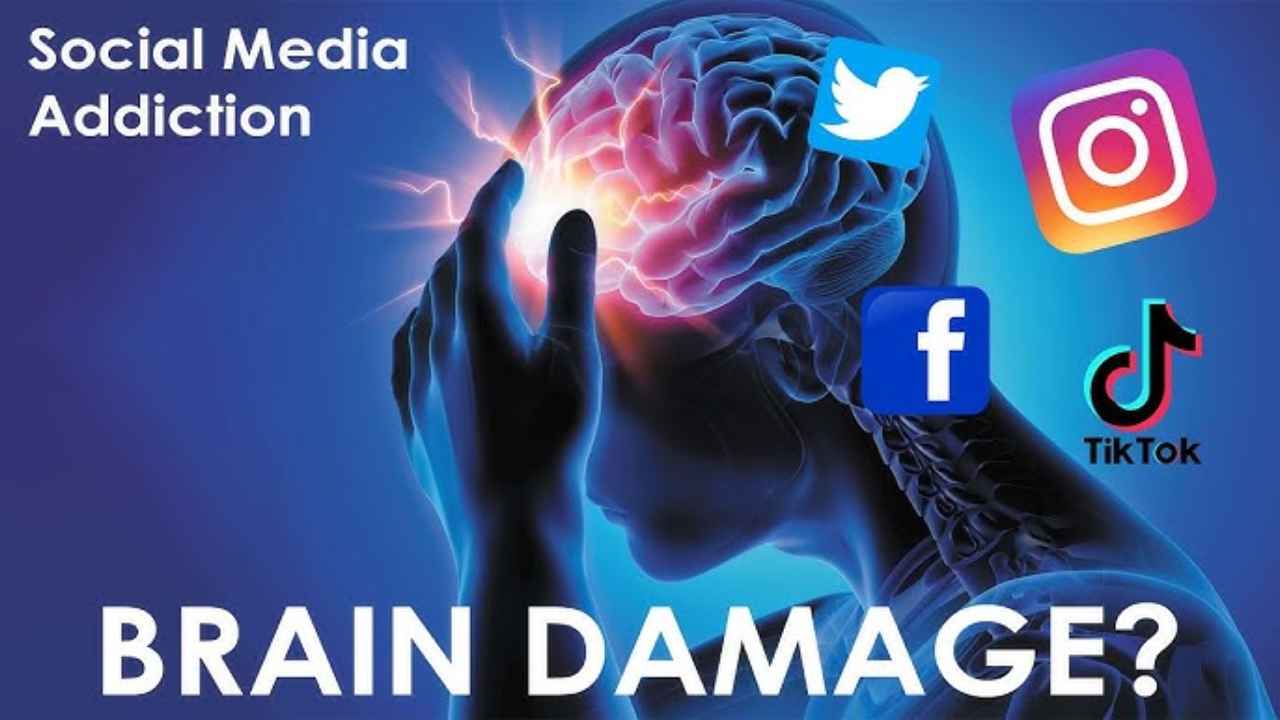
Organized by Cybertalk | Hosted by Dr. Ankur Sharan
Dr. Ankur Sharan: Welcome to today’s exclusive interview with Cybershala, where we delve into the concept of “Digital Dieting” and its significance for maintaining mental and social health. Joining us are two distinguished cyber experts, Dr. Vaibhav Saran and Ms. Mrinalinee Singh, who have extensively researched and contributed to this emerging field. Thank you both for being here.
Dr. Vaibhav Saran: Thank you for having us, Dr. Sharan. It’s a pleasure to be part of this important conversation.
Ms. Mrinalinee Singh: I’m excited to discuss this vital topic. In today’s digital age, understanding how to maintain a balanced digital life is crucial for our overall well-being.
Dr. Ankur Sharan: Let’s start by defining “Digital Dieting.” Many of our viewers might be new to this concept. Could you explain what it entails and why it’s becoming increasingly relevant?
Dr. Vaibhav Saran: Certainly. Digital Dieting is a concept that parallels the idea of a balanced diet for physical health, but instead, it focuses on our consumption of digital content. Just as we are mindful of the food we eat, we need to be equally aware of how much time we spend online, what kind of content we consume, and how we engage with digital platforms. Overconsumption or mismanagement of digital content can lead to significant mental and social health issues, such as anxiety, depression, and social isolation.
Ms. Mrinalinee Singh: To add to that, Digital Dieting emphasizes moderation and mindful engagement. We often overlook the impact that constant connectivity and information overload can have on our mental state. By setting boundaries and being selective about the digital content we consume, we can protect our mental and emotional well-being, much like how we protect our physical health by eating a balanced diet.
Dr. Ankur Sharan: That’s insightful. With the increasing reliance on social media, especially during events like the COVID-19 pandemic, how do you suggest people can implement Digital Dieting in their daily lives?
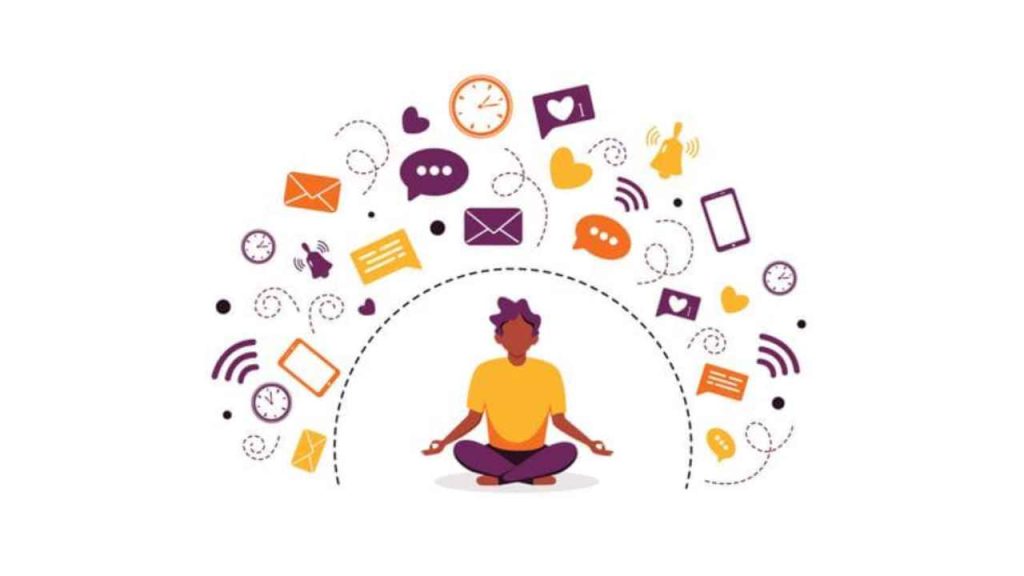
Ms. Mrinalinee Singh: It’s all about balance. Start by setting specific times for your online activities and stick to them. For example, designate an hour in the morning and an hour in the evening for checking social media. Outside of these times, try to focus on offline activities. It’s also helpful to curate your digital environment—unfollow accounts that cause stress or negativity and instead, follow those that inspire and uplift you.
Dr. Vaibhav Saran: Another key aspect is to take regular digital detoxes. This could be as simple as unplugging for a day on the weekend or setting aside time each day where you completely disconnect from all screens. Engage in activities that don’t involve technology, such as reading a physical book, exercising, or spending time in nature. These breaks can significantly reduce digital fatigue and improve mental clarity.
Dr. Ankur Sharan: That brings us to the forensic perspective of Digital Dieting. How does cybersecurity tie into this concept?
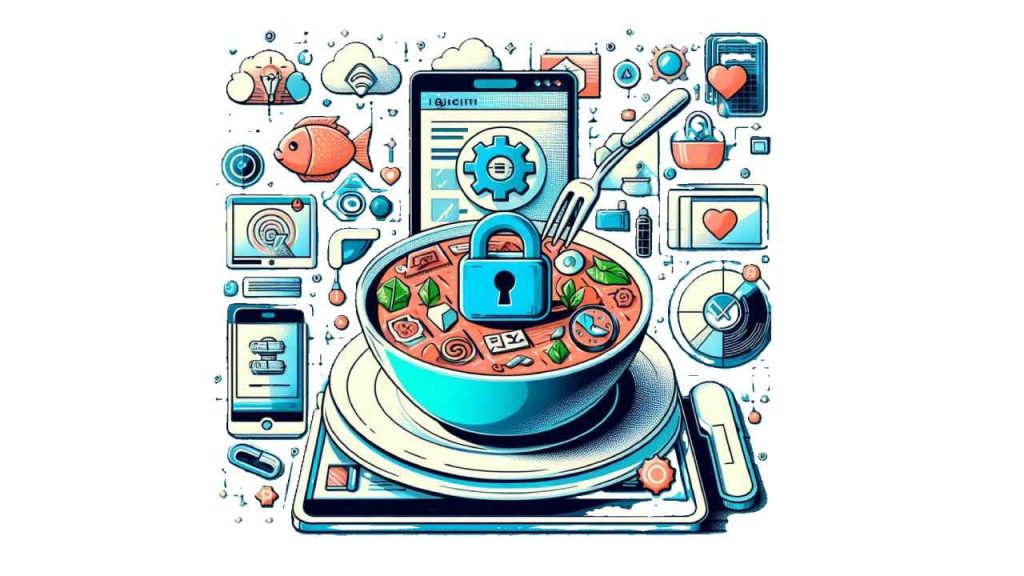
Dr. Vaibhav Saran: From a forensic standpoint, Digital Dieting also involves being vigilant about cybersecurity. Just as we are careful about what we eat, we need to be mindful of the information we share online and how we protect our personal data. This includes using strong, unique passwords, being aware of phishing scams, and understanding the implications of sharing personal information on social media.
Ms. Mrinalinee Singh: Additionally, educating oneself about digital privacy and the laws that protect it is crucial. Being informed allows individuals to navigate the digital world safely and responsibly, minimizing the risk of cyber threats. In today’s interconnected world, being cyber safe is just as important as being mentally and socially healthy.
Dr. Ankur Sharan: This comprehensive approach to Digital Dieting—encompassing mental, social, and cybersecurity—is indeed enlightening. Before we conclude, could you share any final thoughts or tips for our viewers?
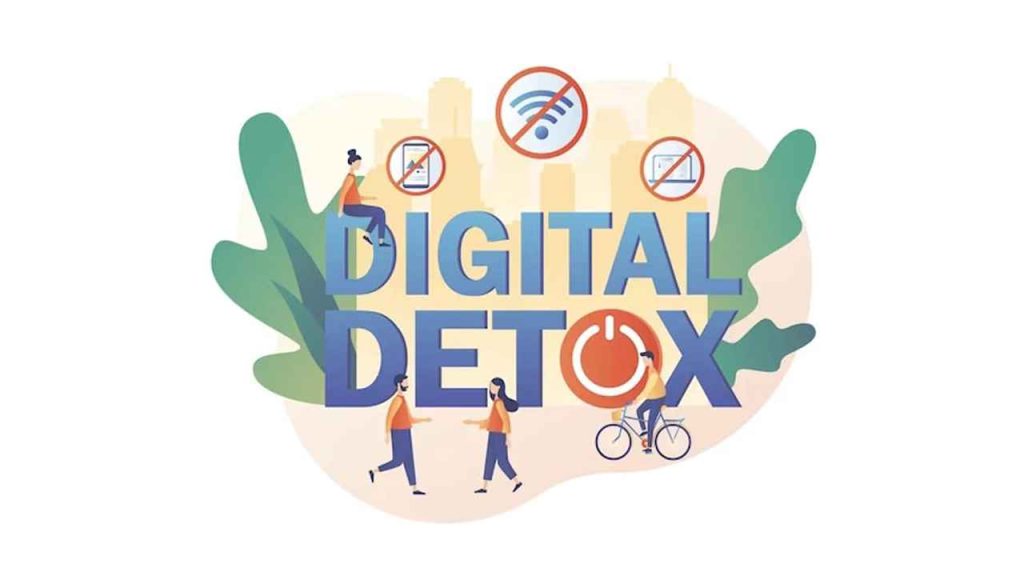
Ms. Mrinalinee Singh: My advice is to treat your digital consumption with the same care as your physical diet. Be mindful, be selective, and always prioritize your well-being. Remember, it’s not about cutting out digital technology entirely but finding a balance that works for you.
Dr. Vaibhav Saran: I agree. It’s essential to stay connected, but in a way that enhances your life rather than detracts from it. Practice good digital hygiene, take regular breaks, and be aware of the content you engage with. Your mental and social health will thank you for it.
Dr. Ankur Sharan: Thank you, Dr. Vaibhav and Ms. Mrinalinee, for sharing your expertise on this crucial topic. Your insights into Digital Dieting will surely help our audience create healthier digital habits and protect their mental, social, and online well-being.
This interview highlights the importance of adopting a balanced approach to digital consumption, emphasizing mental health, social connection, and cybersecurity. By incorporating these practices into our daily lives, we can navigate the digital world safely and mindfully.