
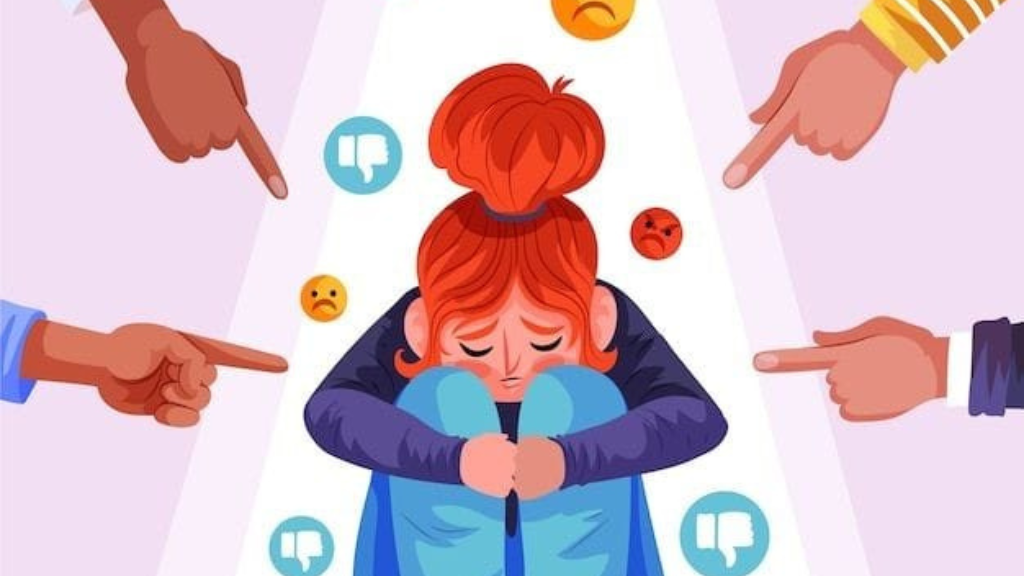
Welcome to Cyber Talk, an exclusive series under Cybershala, where we engage with leading cybersecurity experts to raise awareness about online safety. In today’s interconnected world, protecting our digital lives is more critical than ever. Our experts will shed light on the latest cybersecurity trends, threats, and practical strategies to safeguard personal and professional data. Stay tuned for insightful discussions designed to equip you with the knowledge to navigate the digital landscape securely. Awareness is the key to a safer cyber world!
Cybershala, a platform dedicated to the convergence of technology and education, recently hosted an engaging session under Cyber Talk with leading experts Aditi Sinha and Dr. Vaibhav Saran. The focus of the discussion was on the growing significance of cyberpsychology, its impact on human behavior, and the challenges it presents in our rapidly advancing digital age. The experts shed light on the complexities of living in a hyper connected world and how this is reshaping psychological paradigms.
Cybershala : Thank you, Ms. Aditi and Dr. Vaibhav, for joining us. Let’s begin with the basics. How do you define cyberpsychology, and why is it becoming such a crucial field of study today?
Aditi Sinha: Cyberpsychology is essentially the study of how technology, particularly the internet and social media, affects human behavior and mental processes. In today’s world, nearly 5 billion people are online, relying on technology for almost every aspect of their lives—communication, work, learning, entertainment. This makes it imperative to understand the psychological effects of such heavy reliance. Cyberpsychology helps us unravel how we think, behave, and react in digital environments, which is crucial given how technology is shaping our emotions, interactions, and identities.
Dr. Vaibhav Saran: I agree. The influence of technology on the human mind is profound. As we continue to integrate digital platforms into our lives, we’re seeing shifts in social behavior, emotional well-being, and cognitive functioning. While technology has undoubtedly enhanced many aspects of life, there are clear drawbacks—addiction, anxiety, and social isolation, to name a few. Cyberpsychology looks into the positive and negative impacts, helping us navigate this uncharted territory.
Cybershala : Fascinating. Speaking of negative impacts, social media seems to be at the center of much of this discussion. What does your research say about the psychological effects of social media, particularly among younger users?
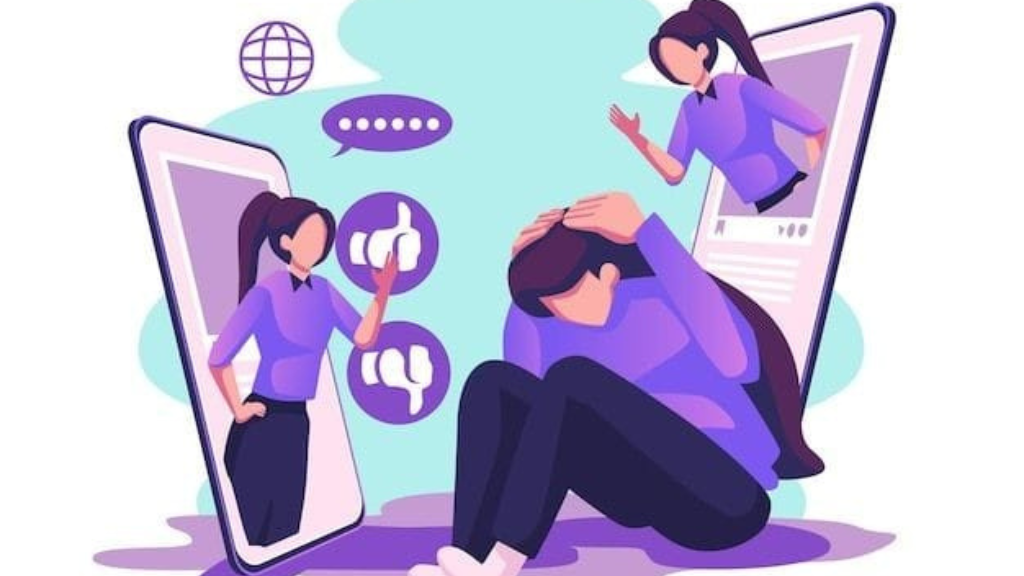
Aditi Sinha: Social media is a double-edged sword. On one hand, it fosters connections, allowing people to stay in touch and build online communities. On the other hand, excessive use has been linked to various mental health issues, especially among adolescents and young adults. There’s a constant cycle of comparison—users feel inadequate when they compare their everyday lives to the filtered, curated lives portrayed by others online. This leads to low self-esteem, anxiety, and in some cases, depression.
In fact, terms like FOMO (Fear of Missing Out) and FOBM (Fear of Being Missed) have emerged to describe the compulsive checking of social media, driven by a need to stay relevant and connected. The result? Heightened stress and emotional distress.
Dr. Vaibhav Saran: To add to Aditi’s point, we’ve also seen evidence that prolonged exposure to social media platforms can result in what we call “upward social comparison”—comparing oneself to people who seem to be better off in terms of lifestyle, looks, or achievements. Over time, this has a damaging effect on self-worth and happiness. In our studies, we’ve found that teenagers with higher social media use tend to show higher levels of depression and dissatisfaction with life.
Cybershala : That’s quite concerning, especially given the pervasive nature of these platforms. Let’s talk about another emerging issue—Internet Addiction (IA). How prevalent is it, and what are its effects on mental health?
Dr. Vaibhav Saran: Internet addiction is a growing concern, and while it is still being studied, the evidence suggests that it can have severe consequences. IA, in simple terms, is the inability to control one’s internet usage, which interferes with important life activities such as personal relationships, health, and work. Research shows that people suffering from IA often experience heightened anxiety, ADHD-like symptoms, depression, and even substance abuse.
It’s not just the number of hours spent online, but also how those hours are used. For example, individuals who engage in activities like excessive gaming, gambling, or social media use are more prone to develop problematic behaviors. Younger individuals, males, and those exposed to the internet early are more susceptible to this addiction.
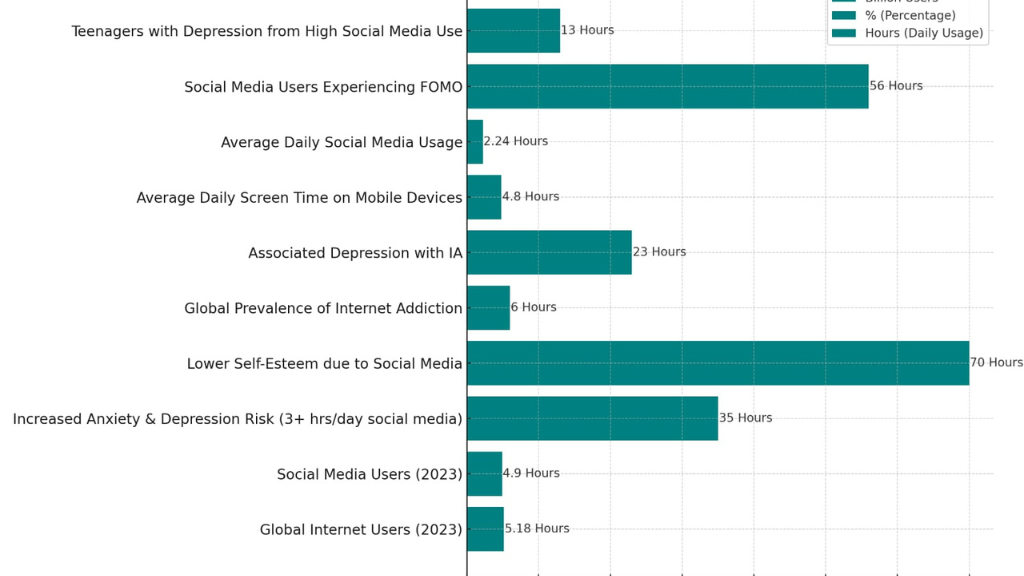
Aditi Sinha: Absolutely. The problem is exacerbated by the fact that the internet is so easily accessible. It’s available 24/7, and with smartphones, it’s practically in your pocket at all times. This constant availability can lead to excessive use, which over time begins to affect mental and emotional health. There’s also the physical toll—lack of sleep, eye strain, and even the sedentary lifestyle that comes with long hours spent online.
What’s more troubling is that the definition and diagnosis of IA aren’t universally agreed upon yet, making it harder to address. But as research continues, we’re gaining a clearer understanding of how to identify and treat it.
Cybershala : Given these challenges, is there a way to balance our reliance on technology while safeguarding our mental health?
Aditi Sinha: Balance is key. It’s not about cutting off technology altogether—that would be impossible in today’s world. But being mindful of how we use it is essential. For instance, setting screen time limits, engaging in offline activities, and being conscious of the content we consume can help mitigate some of the negative effects. It’s also important for parents to monitor their children’s internet use and encourage healthy, real-world interactions.
Dr. Vaibhav Saran: I would also recommend taking regular digital detoxes—taking breaks from technology to reconnect with the physical world. Mindfulness practices, meditation, and even spending time in nature can help re-establish that balance. Technology is a tool, and like any tool, it needs to be used responsibly.
Cybershala : As a final thought, where do you see the field of cyberpsychology heading in the future?
Aditi Sinha: Cyberpsychology is still a young field, but it’s growing fast. As technology evolves, so will our understanding of how it affects us. We’re going to see more nuanced research that looks not just at the negative impacts, but also how technology can be used positively to enhance mental well-being. For instance, virtual reality is being used for therapeutic purposes, and AI is helping us understand human behavior on a deeper level.
Dr. Vaibhav Saran: I agree. As cyberpsychology advances, it will not only help us understand the psychological risks but also open up opportunities for using technology to foster mental health and well-being. The future of cyberpsychology will be about finding that balance between harnessing technology for good while mitigating its potential harm.
Cybershala : Thank you both for such an insightful discussion. It’s clear that cyberpsychology is a vital area of study that will continue to shape our understanding of the digital world and its impact on human behavior. We look forward to seeing how the field develops in the coming years.
This exclusive interview under Cyber Talk from Cybershala highlights the complexities of living in a digital age and the emerging importance of cyberpsychology in understanding the impact of technology on mental health.