
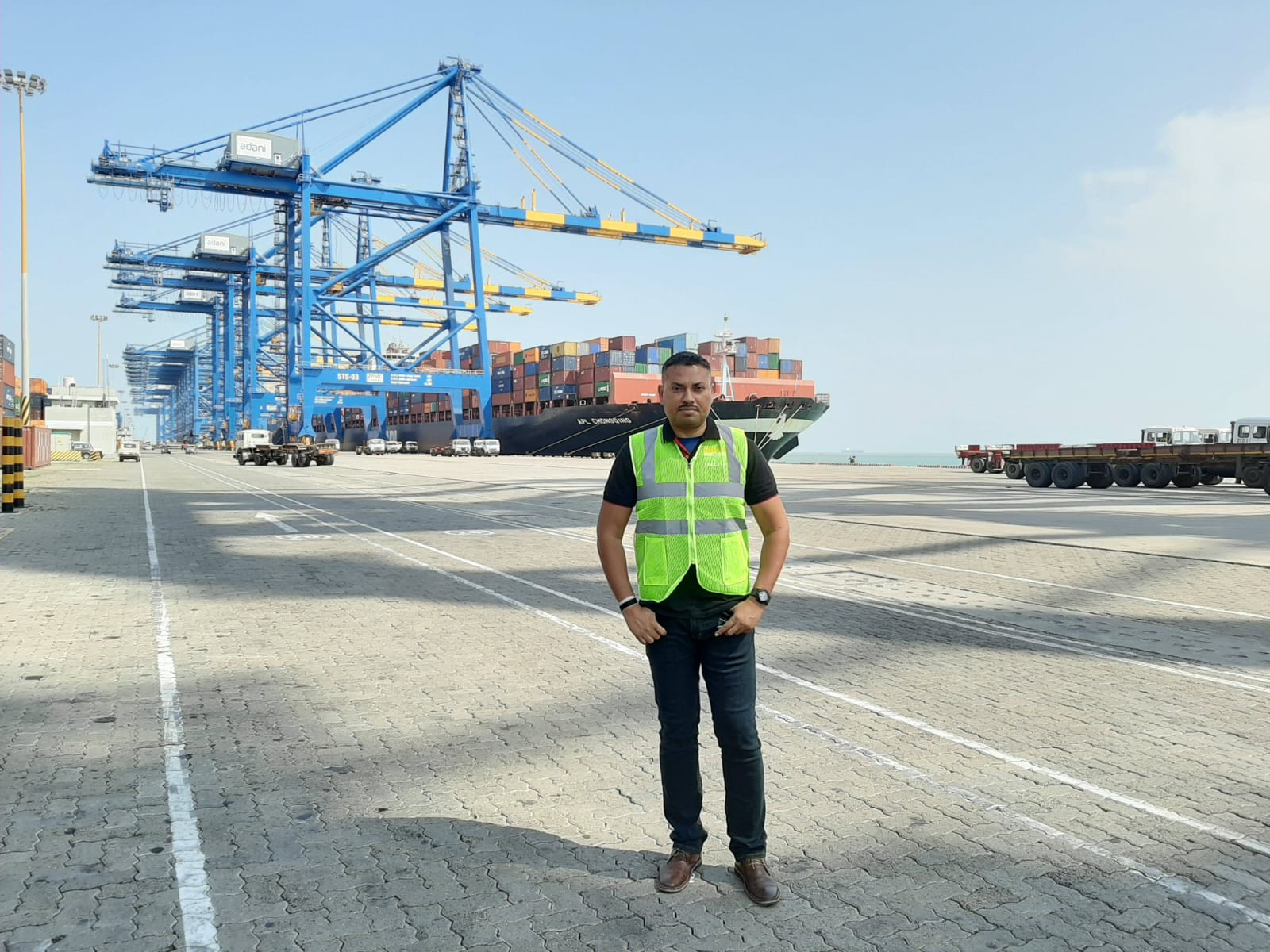
Professional Portfolio – Mr. Manish Sahay
Mr. Manish Sahay is a recognized name in the domain of Inland Container Depots (ICD) and Container Freight Stations (CFS). With over two decades of rich experience, he has mastered the critical aspects of yard operations, container handling, and railway movement for container trains, making him one of the most respected professionals in the logistics and supply chain industry.
His career is built on deep expertise in EXIM operations, port logistics, and rail connectivity, where he has successfully optimized processes to ensure efficiency, reliability, and cost-effectiveness in containerized trade movements. His ability to synchronize yard management with rail and port operations has added immense value to organizations and stakeholders in India’s growing logistics sector
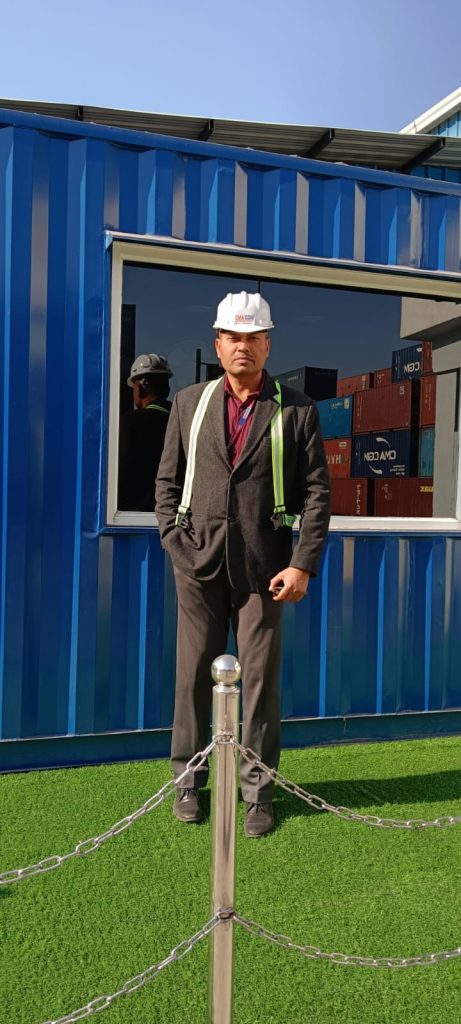
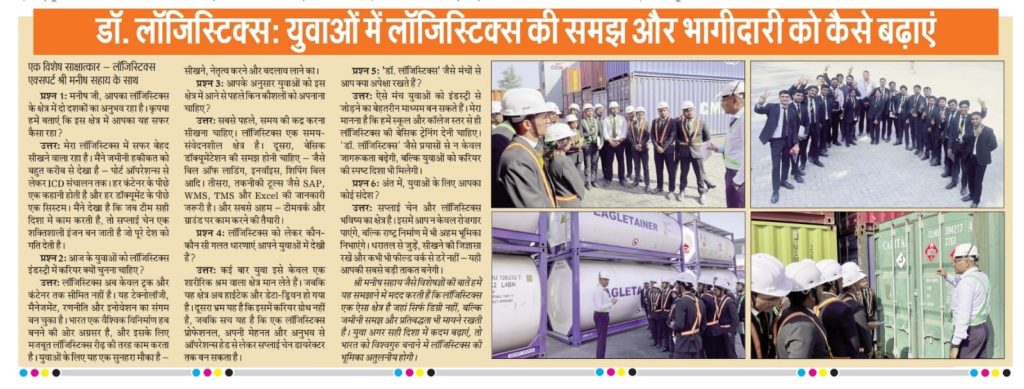
Currently, Mr. Sahay has expanded his role as a knowledge mentor and guide. Collaborating with Dr. Logistics, he actively shares his vast industry experience with institutions, universities, and professional forums. His guest lectures and training sessions highlight the importance of supply chain and logistics in India’s economic growth and inspire young professionals to develop skill-based careers in this vital sector.
Mr. Manish Sahay’s journey is not just about operational excellence but also about shaping the next generation of logistics leaders. His vision is to bridge the gap between industry knowledge and academic learning, thereby strengthening India’s logistics talent pool to meet global standards.

Dr. Logistics: Mr. Sahay, you have spent more than two decades in the logistics industry, particularly in ICDs and CFS operations. Could you share with our readers how your journey began and what inspired you to enter this field?
Manish Sahay: My journey began in the early 2000s when India’s logistics sector was still evolving. I was fascinated by the way goods moved seamlessly from factories to ports and then to global destinations. Starting at an Inland Container Depot gave me firsthand experience in container handling, railway coordination, and customs processes. Over the years, that curiosity turned into passion, and I dedicated myself to mastering yard operations and rail-based container movement.
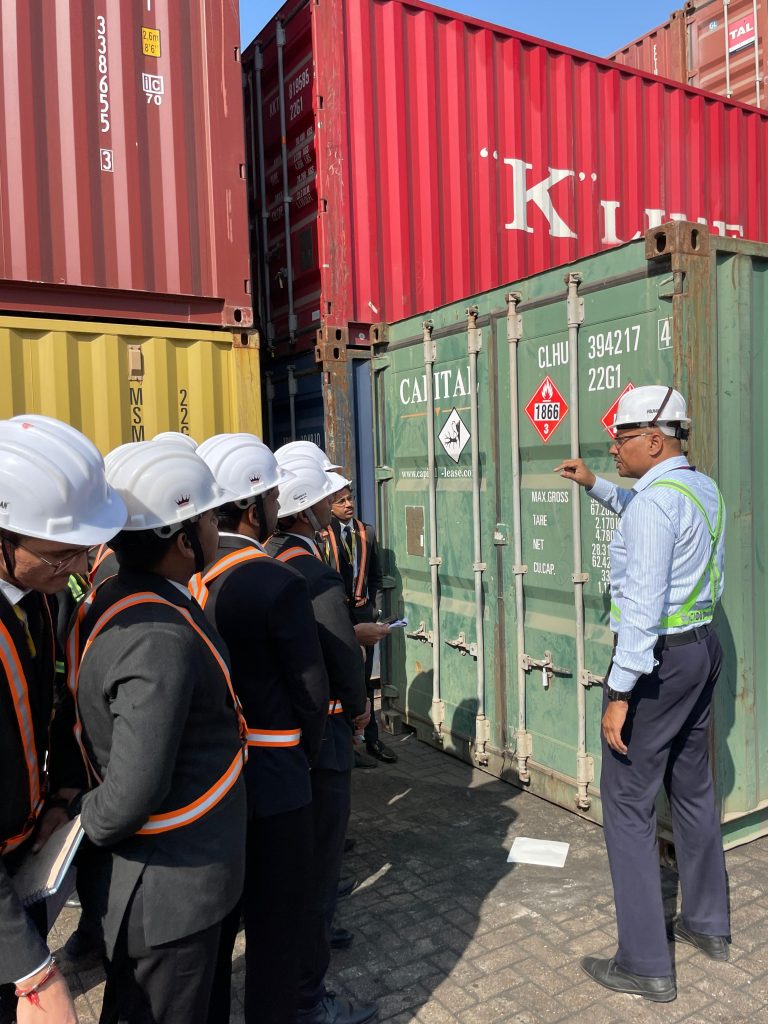
Dr. Logistics: You have handled some of the most critical aspects like yard operations and railway container train movements. What were the key challenges you faced, and how did you overcome them?
Manish Sahay: The biggest challenge was ensuring synchronization between different stakeholders—shipping lines, customs, transporters, and railways. A small delay in one area could disrupt the entire supply chain. To overcome this, I focused on building strong communication channels and using technology-driven tracking systems. I also believe in hands-on leadership—being present on the ground to solve problems in real time.
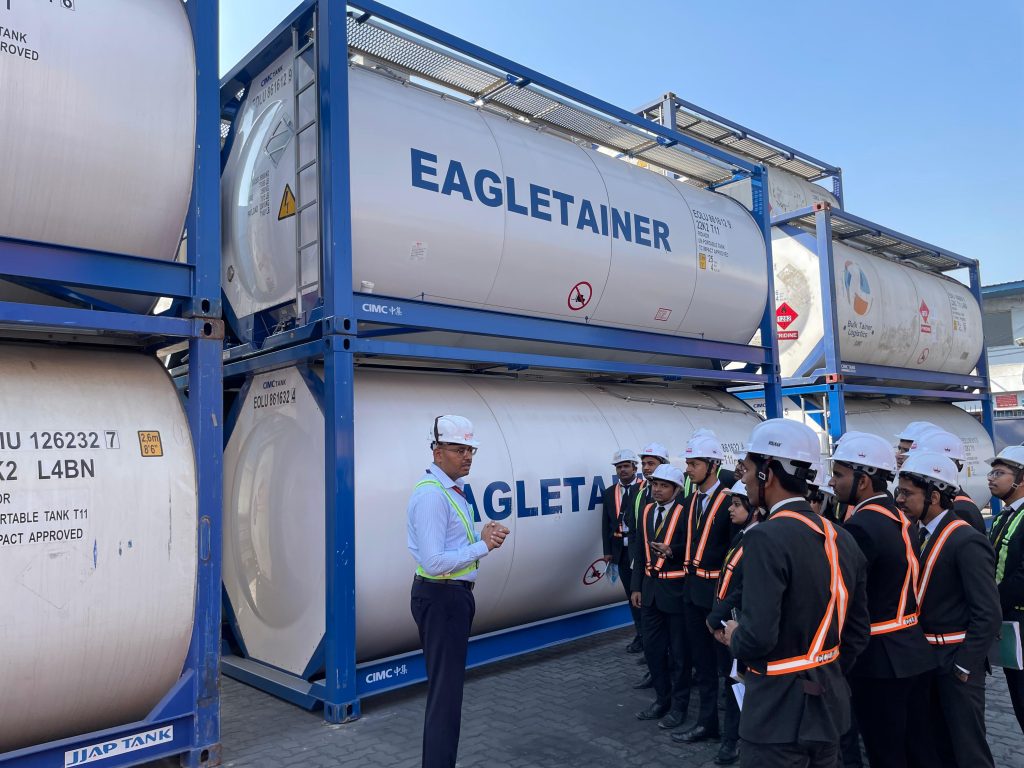
Dr. Logistics: From your perspective, how do you see the role of rail-based container movement evolving in India’s logistics landscape?
Manish Sahay: Rail is the backbone of cost-effective and sustainable logistics. With the development of Dedicated Freight Corridors (DFC) and modern ICDs, I believe rail-based movement will account for a significant share of India’s container traffic. It reduces congestion on highways, lowers carbon emissions, and makes long-distance cargo movement much faster. The future definitely lies in multimodal integration where rail will play a crucial role.
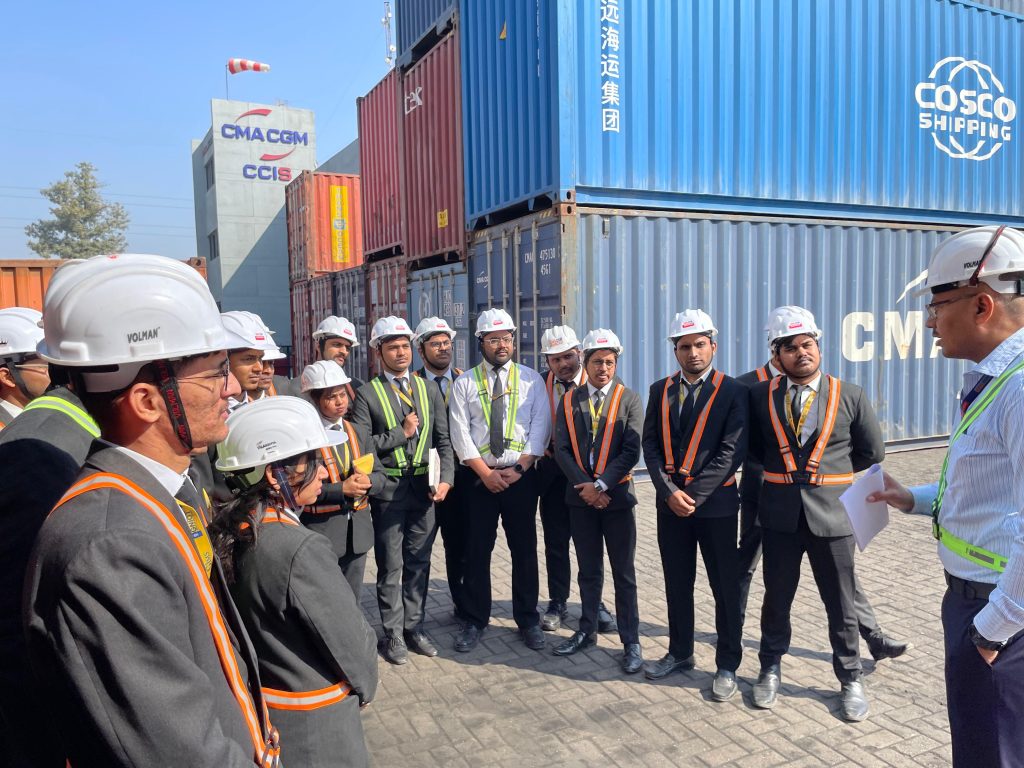
Dr. Logistics: Logistics and supply chain are often considered “backend” functions. Why is it important to bring this subject into mainstream discussions, especially for students and young professionals?
Manish Sahay: That’s a very important point. Without logistics, no industry can function—it is the invisible backbone of the economy. Yet, many young professionals are unaware of its scope. By bringing it into mainstream discussions, we can help students see logistics as a career of innovation, problem-solving, and impact. It is not just about moving goods; it is about shaping economies.
Dr. Logistics: You are now collaborating with Dr. Logistics and have been delivering guest lectures at various institutions. What message do you give to the youth in your sessions?
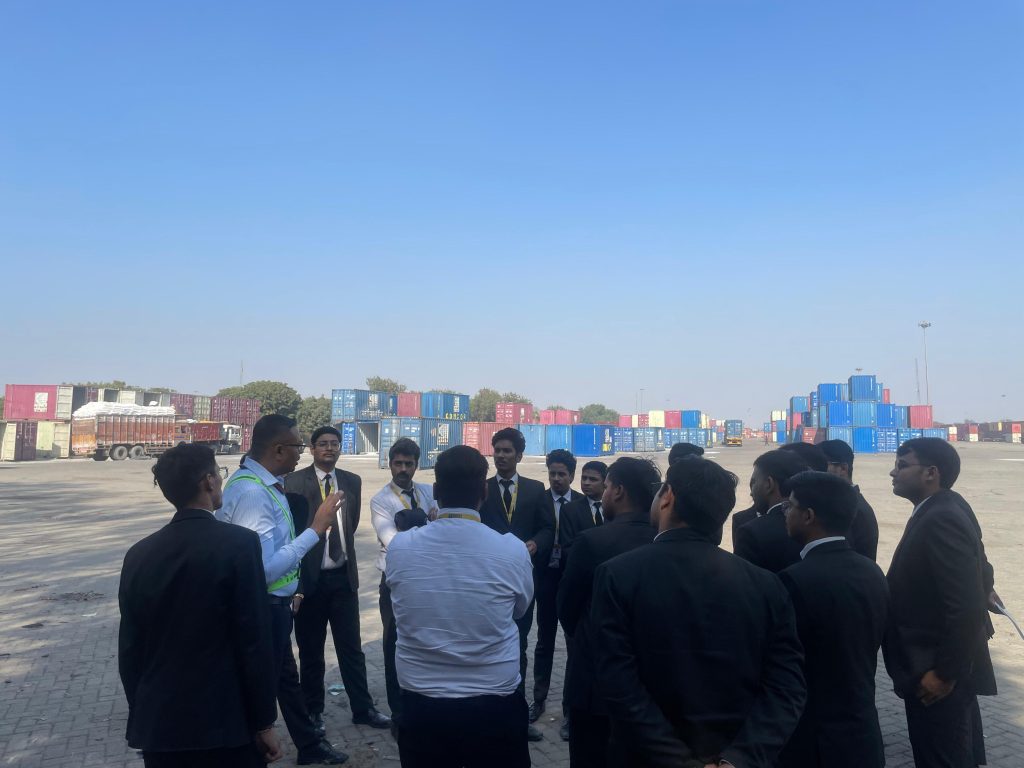
Manish Sahay: My message is simple—skill is power. Academic knowledge is important, but practical understanding of supply chain processes is what makes you industry-ready. I encourage students to explore areas like container operations, documentation, technology adoption, and sustainability in logistics. Through Dr. Logistics, we are trying to bridge the gap between classrooms and industry.
Dr. Logistics: Can you share a real-life incident from your career that became a turning point or a strong learning experience?
Manish Sahay: Yes, I remember an incident when a container train was delayed due to a last-minute operational bottleneck. It could have cost the client millions in penalties. Instead of waiting, I personally coordinated with railway officials, port authorities, and customs teams late into the night to ensure clearance and dispatch. That day I realized that leadership in logistics is about ownership and accountability—you must treat every consignment as if it’s your own.
Dr. Logistics: With over 20 years of experience, what changes have you observed in the Indian logistics sector?
Manish Sahay: The transformation has been remarkable. When I started, most operations were manual, and coordination was done through physical paperwork. Today, digital documentation, GPS-enabled tracking, AI-driven demand forecasting, and paperless customs have completely changed the face of logistics. India is fast catching up with global best practices.
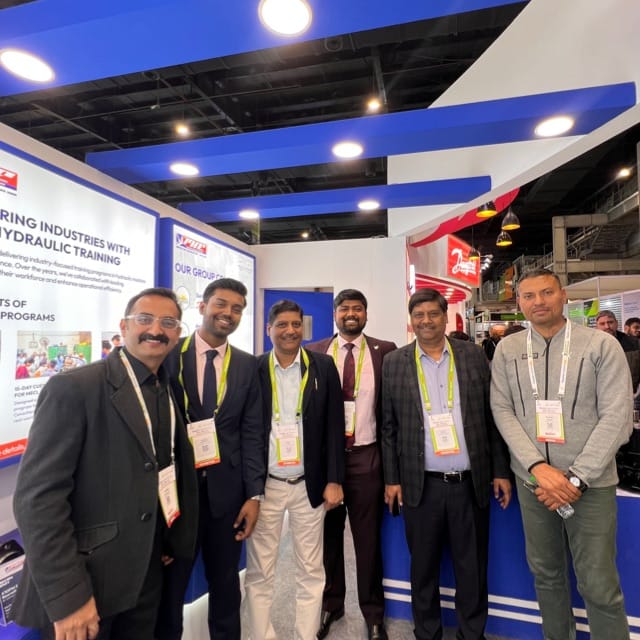
Dr. Logistics: Skill development is a national priority. How do you think logistics education and training programs can be structured to build global competitiveness?
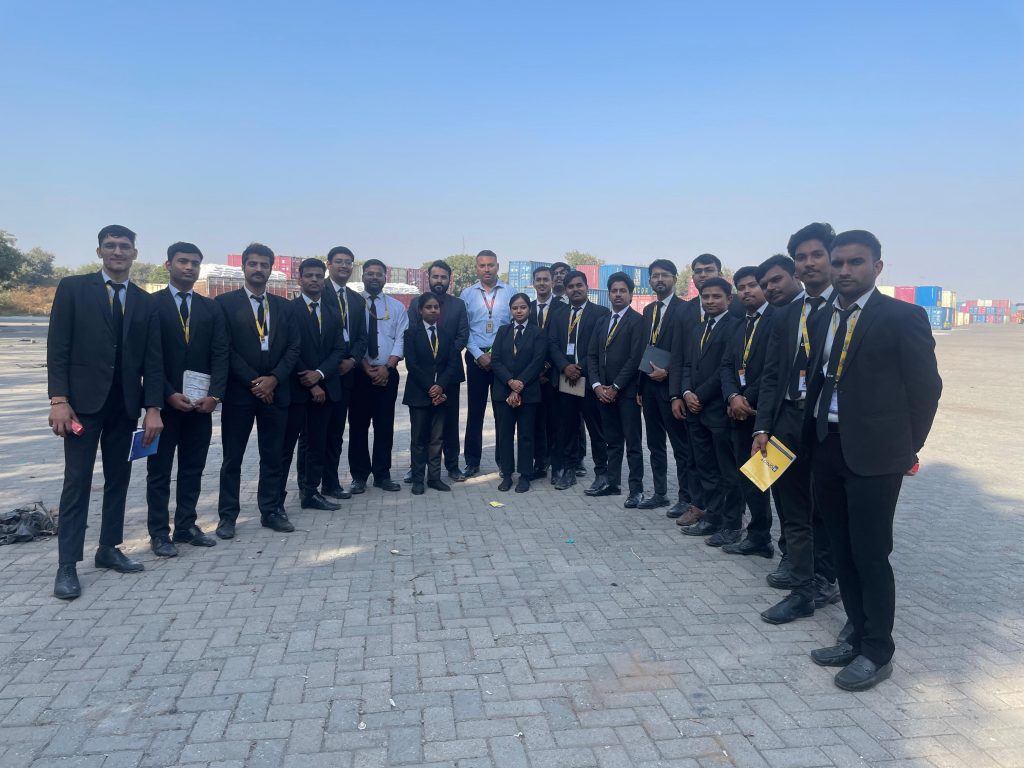
Manish Sahay: We need practical, hands-on training modules in addition to theory. Industrial visits, live projects with ICDs and CFSs, internships with shipping lines, and simulation-based training will help students gain real exposure. Skill councils, universities, and industry must work together to make logistics education job-oriented and globally relevant.
Dr. Logistics: Finally, what advice would you give to aspiring logisticians who want to build a career in this sector?
Manish Sahay: Stay curious, stay disciplined, and never underestimate the power of networking. Logistics is about teamwork and coordination. Learn the basics well, keep upgrading your skills, and embrace technology. Most importantly, be ready to work on the ground—because that’s where the real learning happens.