
A 14-year-old boy in Ahmedabad stabs his schoolmate. A teenager in Hyderabad develops psychosomatic paralysis after months of bullying. A student attacks a teacher who had admonished him. These are no longer stand-alone headlines, but turning into frightening reminders of an unfolding crisis lurking silently in our homes, schools, and society.
Kids nowadays are not merely angry; they are isolated in a noisy world. They are surrounded by devices, timetables, and individuals, but they are deprived of emotional bond. When issues become too much for them, most of them do not look for solutions—they search for exit points. Unfortunately, most exit points come in the most brutal forms: aggression, violence, or full withdrawal.
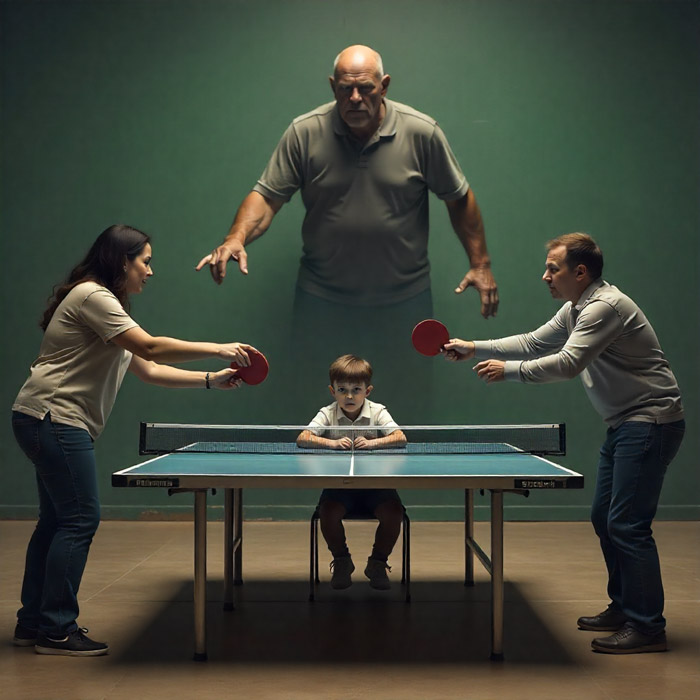
The Ping-Pong Effect of Responsibility
Every time these events take place, the blame game starts:
Parents point at schools—“Teachers are not monitoring enough.”
Schools point at parents—“Upbringing and discipline should begin at home.”
Society blames social media—“Games and reels are poisoning young minds.”
In this endless rally, the child becomes a ping-pong ball, bounced back and forth, but never held with care. Nobody takes full ownership, yet everyone expects the child to “know better.” The result? A generation caught in the middle, overwhelmed, and emotionally unprepared.
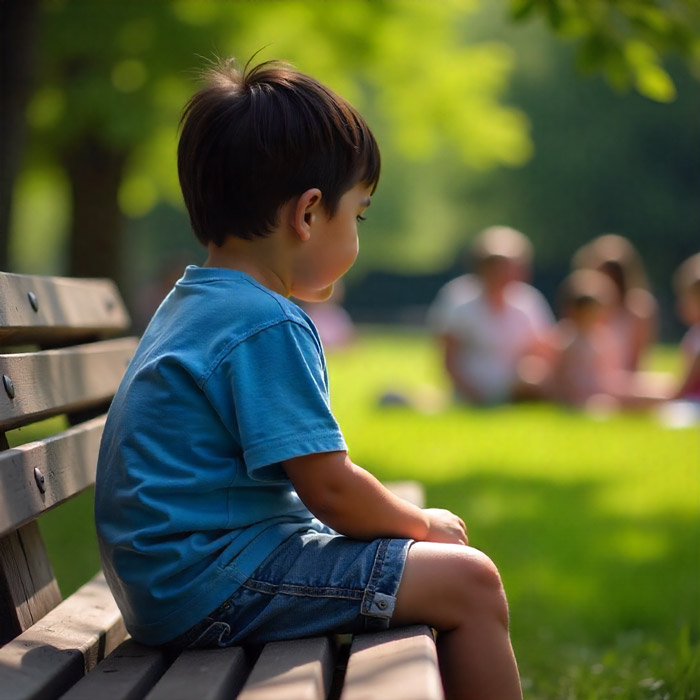
The Invisible Loneliness of Children Today
They might appear active and social, but the majority of them are lonely.
Digital Distraction: They are bathed in screen time, not dialogues. According to Common Sense Media (2023), teenagers spend more than 8 hours a day on devices with barely any space for authentic family interaction.
Academic Overload: With intense competition, children feel important only based on grades. Emotional needs become secondary.
Superficial Friendships: Social media creates followers and likes, but not meaningful relationships. A child might have 1,000 “friends” on the internet and still feel invisible.
This loneliness is not benign—it generates frustration, resentment, and in the most serious cases, fury.
When Escaping Becomes Easier Than Coping
Why are kids responding so aggressively to conflicts? Because no one is showing them how to cope.
Running from Problems: Social media glorifies shortcuts—unfriend, block, swipe. Life outside social media also imitates this “end it quickly” attitude.
Bottled Emotions: With no healthy outlet to let out anger or sadness, emotions are stored up until they blow their top.
Mirroring Adults: Children witness adults yelling at traffic, banging doors shut after an argument, or not answering during a flare-up of stress. They learn that avoiding or exploding is okay.
Then, instead of confronting it, some children resort to extreme responses—”get rid of the problem” instead of solving it.
Parenting Matters, But Not Single-Handedly
Indeed, parenting is very important—but not by itself. Two extremes in families tend to make the problem worse:
Over-Control: Parents who regulate every choice—study time schedules, social friendships, even recess activities—rob kids of independence. Children without problem-solving skills blow up when faced with adversity.
Over-Pampering: On the flip side, kids raised with overindulgence end up without resilience. Protected from pain, they collapse or rage when real-world issues arrive.
But solely blaming parents overlooks the larger scenario. Schools, peers, media, and community all get mixed into the child’s emotional environment.
Shared Responsibility: A Circle Around the Child
Children flourish when all involved co-operate, not when they throw blame across the table.
Parents
Listen more than lecture. A 15-minute daily check-in, unmediated by gadgets, can build strong emotional security.
Model healthy coping. Demonstrate to children how you handle stress calmly, rather than just telling them what not to do.
Schools
Include social-emotional learning (SEL) with academics. Educate children in empathy, anger management, and resilience.
Enhance counseling support. One counselor per 800 students is not sufficient—emotional health needs to be a priority.
Peers
Foster friendship groups that value kindness rather than comparison. School peer mentoring programs can cut loneliness in half.
Media & Society
Monitor violent, poisonous online content for early children.
Encourage empathy-led campaigns wherein resilience, not violence, is portrayed as strength.
From Ping-Pong to Partnership
The key shift lies in moving from blame to ownership. A child’s wellbeing cannot be the sole responsibility of one institution. Parents, teachers, and communities must stand in partnership, forming a circle of care.
Instead of inquiring “Who is to blame?”, we need to inquire “What can I do as part of this system?”
Conclusion
Kids don’t become violent overnight. Their anger is the product of a greater hurt—emotional abandonment, isolation, and the lack of mutual responsibility. If parents blame schools, and schools blame parents, and society rolls its eyes at social media, it will repeat itself.
The answer is not control, but connection. Not blame, but mutual responsibility.
Because a child who feels connected, seen, and supported doesn’t have to solve problems violently. They learn to meet them, mature through them, and become stronger. And that is the world we owe to children—a world where they are not ping-pong balls, but entire human beings bathed in empathy and kindness.