By Ms. Shweta Jhamb, Rehablitation Psychologist
These are modern times, and in today’s hectic and highly emotional world, it seems like forgiveness is an exceptional gift — and forgetting, a mission impossible.
We have all heard the phrase: “Forgive and forget.”
But let’s be real — some wounds go deep. Words cut to the bone, betrayals shatter trust, and actions sometimes alter the course of our lives. In those moments, humans find it easier to cling to pain than to let it go.
So why is forgiveness so hard today? And how can we start to let go, even if we can’t undo the memory?
Why People Find It Hard to Forgive Today
1. Emotional Baggage Has No Pause Button
Emotions amplify in the digital age. A brutal message, public insult, or deception in intimate relationships becomes more difficult to deal with — particularly when memories tend to repeat like alerts in our heads.
2. “If I forgive, they win” Mindset
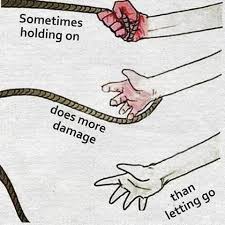
Most people think that forgiveness is excusing the bad behavior or letting the other person off the hook. Actually, forgiveness has nothing to do with the other person — it’s all about liberating yourself.
3. Fear of More Pain
“If I forgive, I might get hurt again.” This fear prevents many from releasing, and walls get put up around them that most often result in loneliness or bitterness.
But Here’s the Truth: You Can Forgive Without Forgetting
Forgiving doesn’t mean forgetting the hurt or acting like it didn’t happen.
It means picking peace over revenge and healing over pain.
Real-Life Reflection:
Story 1: The Friend Who Betrayed You
Riya was 16 when her closest friend revealed her deepest secrets at school. She was heartbroken and broke up with her totally. Two years passed, and she met that friend again, who asked for apology sincerely. Riya never forgot what happened — but forgave, because she understood that holding on just kept her bound to the past, while the friend had moved on. Forgiveness enabled her to shed the weight she had carried for years.
Story 2: The Absent Father
One man, aged 35, named Arjun once revealed how he forgave his absentee father — not for the return nor the apology of the man, but because he didn’t want to pass the anger on to his own kids. By forgiving, Arjun achieved emotional freedom — and peaceful parenthood.
How Forgiveness Heals You
Decreases mental tension and anxiety
Letting go reduces the emotional “baggage” you carry every day.
Strengthens relationships
Even if the connection doesn’t completely restore, your attitude toward others becomes more gentle and receptive.
Gives you emotional maturity
Forgiveness helps you distinguish the individual from their actions — a valuable ability in any human relationship.
Improves your health
Studies indicate that forgiveness can reduce blood pressure, help with sleep, and even increase immunity.
How to Start Letting Go (Even If You Can’t Forget)
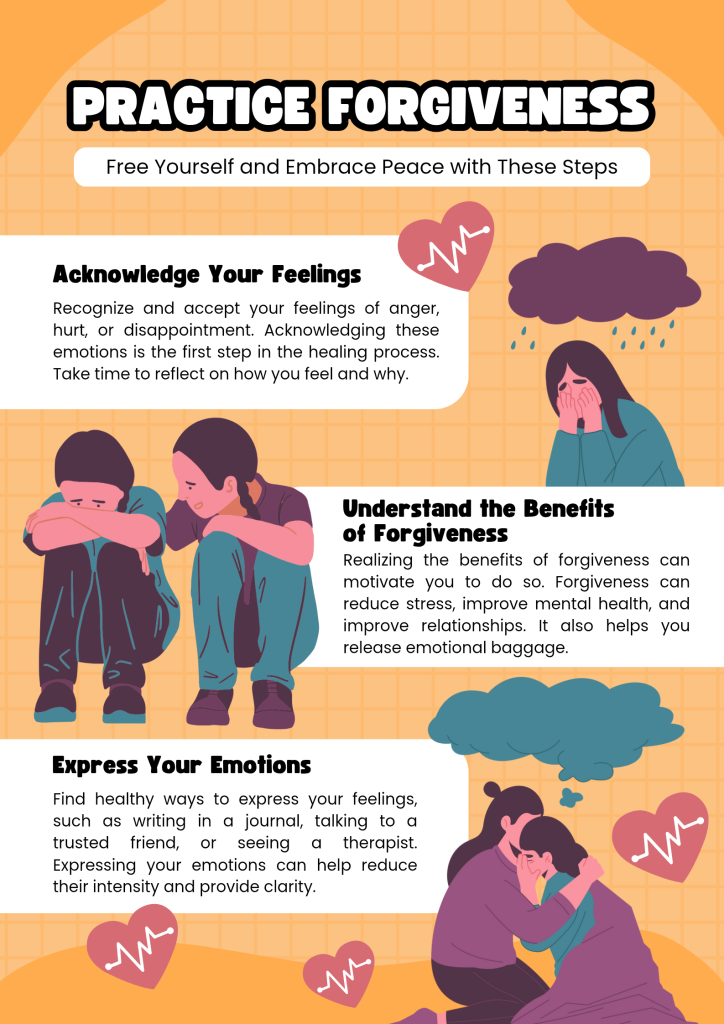
1. Acknowledge the hurt occurred. Don’t dispute it.
2. Allow yourself to feel the pain — then release it. Write, talk, cry, but don’t bottle it.
3. Decide to forgive — not for them, but for you.
4. Set boundaries if needed. Forgiveness doesn’t mean allowing future harm.
5. Reflect on what the experience taught you. Growth is the hidden gift of pain.
Final Thought:
Forgiveness isn’t forgetting — it’s remembering without the pain.
It’s opting for healing rather than hatred, peace rather than punishment, and freedom rather than fear.
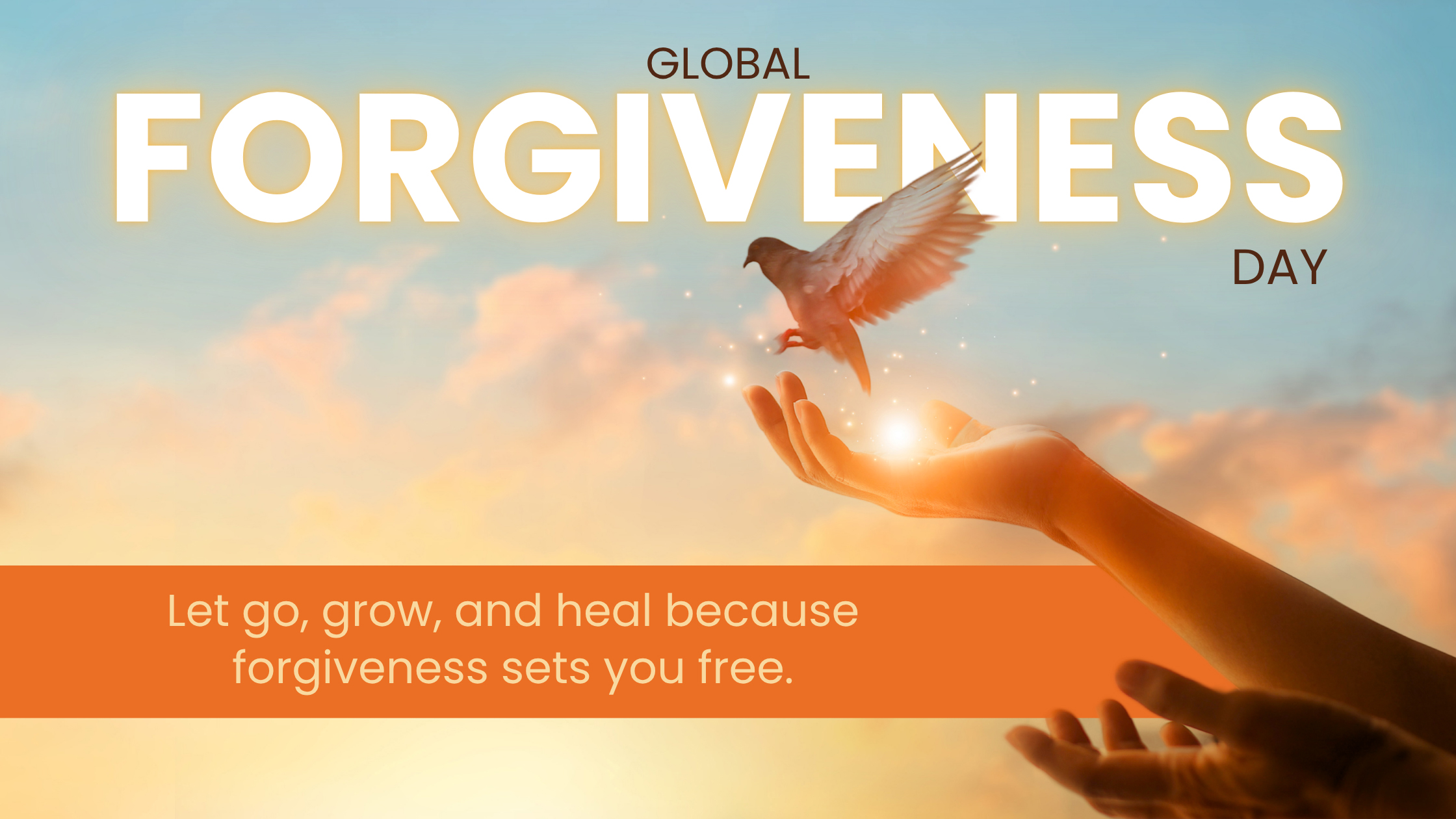
Take a deep breath, and release something on this Global Forgiveness Day — not because they deserve forgiveness,
but because you deserve peace.