
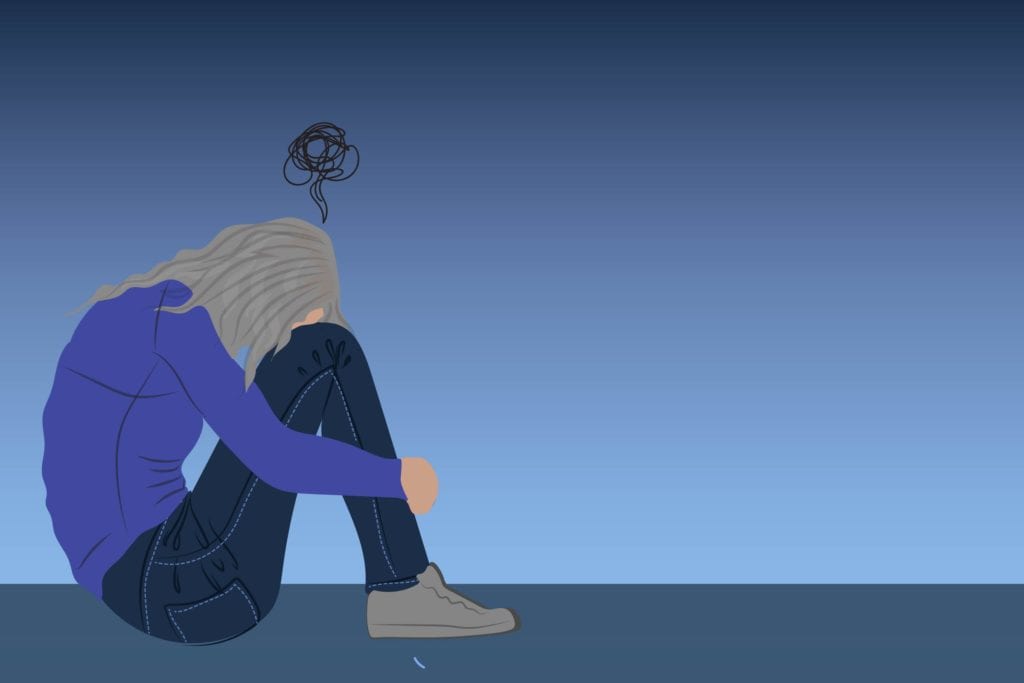
In today’s relentless world, stress is often seen as an unavoidable side effect of modern life. While short-term stress can sometimes sharpen focus and enhance performance, chronic stress—the type that lingers for weeks, months, or even years—can wreak havoc on both mental and physical well-being. What many people don’t realize is that stress is not just a mental battle; it deeply affects the body, leading to serious health conditions.

The Mind-Body Connection: How Stress Impacts Physical Health
When stress becomes chronic, the body remains in a heightened state of alertness, continuously releasing stress hormones like cortisol and adrenaline. While these hormones are useful in short bursts, their prolonged presence can lead to long-term damage.

- Heart Disease and Hypertension
According to the American Heart Association, chronic stress is a significant contributor to high blood pressure and heart disease. Stress increases inflammation in the body, which can lead to arterial damage and increase the risk of strokes and heart attacks. - Weak Immune System
Research from the National Institutes of Health (NIH) indicates that prolonged stress suppresses the immune system, making individuals more susceptible to infections, autoimmune diseases, and even delayed wound healing. - Digestive Disorders
The gut-brain connection is well-documented. A study published in the journal Gastroenterology found that stress exacerbates conditions like irritable bowel syndrome (IBS), acid reflux, and ulcers. Chronic stress can also disrupt the gut microbiome, affecting digestion and nutrient absorption. - Chronic Pain and Muscle Tension
Harvard Medical School reports that persistent stress contributes to musculoskeletal problems, leading to chronic pain in the neck, back, and shoulders. It can also worsen conditions like migraines and tension headaches. - Sleep Disorders and Fatigue
The Sleep Foundation states that elevated cortisol levels make it difficult to fall asleep and stay asleep, leading to insomnia, daytime fatigue, and reduced cognitive function.
Real-Life Example: The High-Stress Executive
Meet Rajiv, a 42-year-old marketing executive who thrived on deadlines and late-night brainstorming sessions. Over time, he developed high blood pressure, frequent headaches, and chronic indigestion. Medications provided temporary relief, but the symptoms persisted. It wasn’t until he addressed his unmanaged stress—through daily mindfulness, setting work boundaries, and prioritizing exercise—that his health significantly improved.
A Practical Tip: The 5-5-5 Stress-Reduction Technique
One simple yet scientifically-backed method to combat stress is the 5-5-5 Breathing Technique:
1. Inhale deeply through your nose for 5 seconds.
2. Hold your breath for 5 seconds.
3. Exhale slowly through your mouth for 5 seconds.
Repeat this cycle five times whenever stress levels spike. This practice engages the parasympathetic nervous system, counteracting stress and restoring the body’s balance.
Conclusion: Take Charge of Stress Before It Takes Charge of You
Ignoring stress won’t make it disappear—it will only allow it to manifest in more harmful ways. Research has repeatedly shown that managing stress effectively leads to better heart health, stronger immunity, improved digestion, and overall well-being. Whether through mindfulness, regular exercise, or simple breathing exercises, taking control of stress is not just about mental peace—it’s about protecting your physical health too.
The next time life feels overwhelming, take a step back, breathe deeply, and remember: by managing stress, you’re investing in a healthier, longer life.