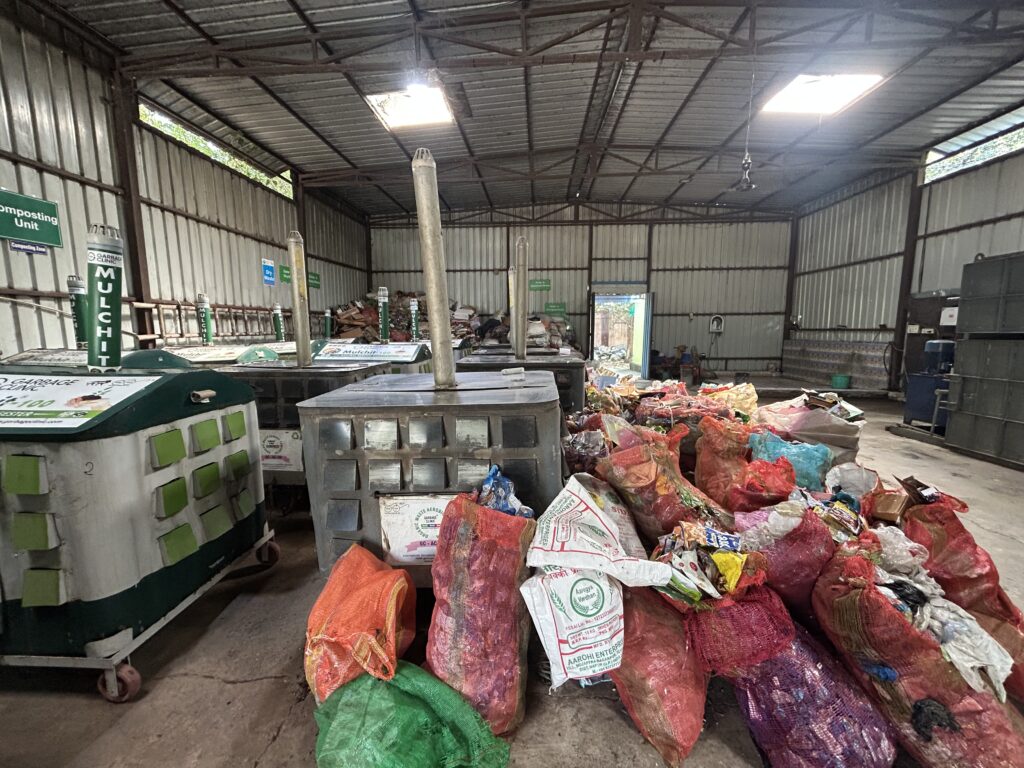
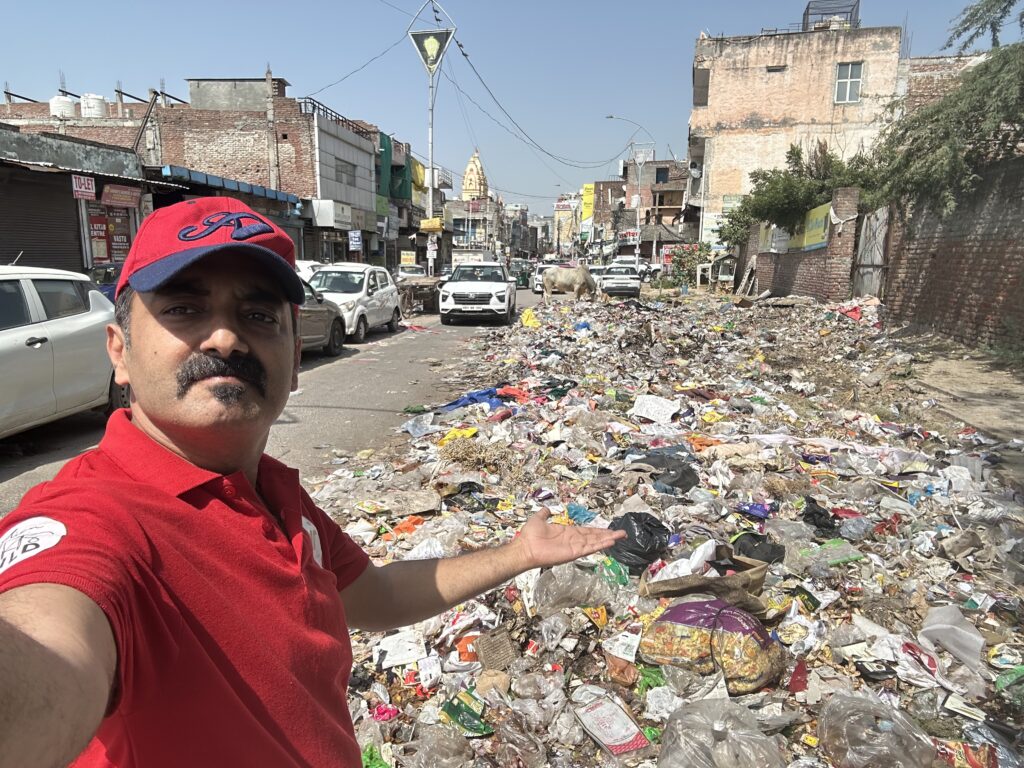
Faridabad—once envisioned as a model smart city—is trapped in a severe garbage crisis. Uncontrolled littering on street corners, vacant plots, and green belts threatens public health, turning the vision of “Swachh Banega Faridabad” into an elusive dream.
BBC
Root Causes
Inefficient Collection: Irregular door-to-door collection forces residents to dump waste publicly.
Lack of Segregation: Mixed household waste hinders effective recycling and processing.
Weak Enforcement: Indiscriminate littering and commercial dumping persist without strict penalties.
Strategic Solutions
1. Decentralized Processing: Mandate wet-waste composting in large housing societies and establish ward-level Material Recovery Facilities.
2. Citizen-Led Auditing: Form ward-level civic squads to monitor garbage black spots and track collection vehicles via GPS.
3. Reclaim Black Spots: Transform recurring dump sites into micro-parks or community art spaces to deter re-littering.
4. Strict Penalties: Enforce immediate spot fines for open dumping and plastic burning.
Cleanliness requires both municipal accountability and active civic responsibility. By fixing collection logistics and driving community action, Faridabad can end this littering crisis and build a sustainable future.
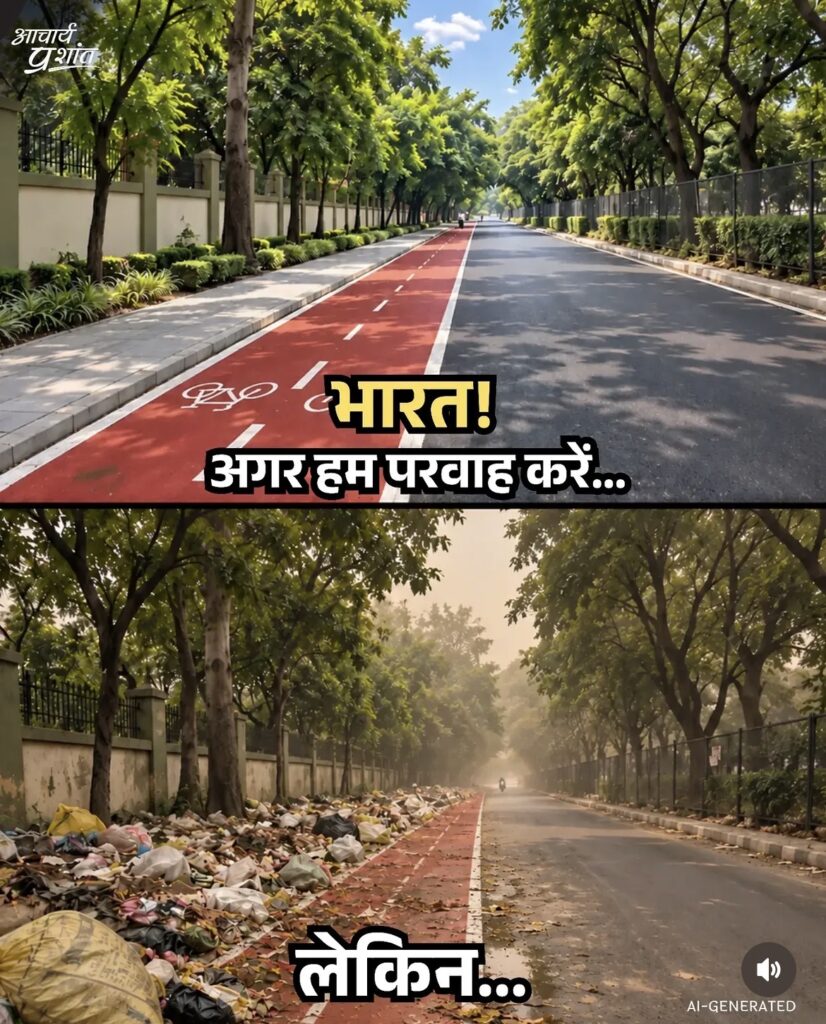
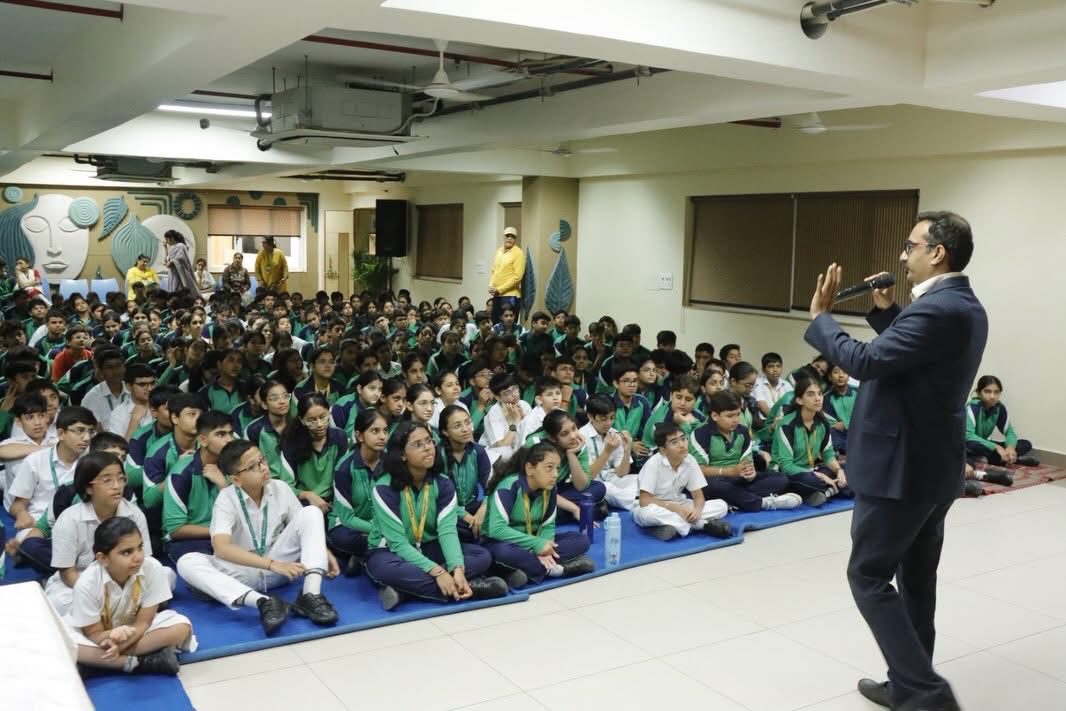
Dumping waste elsewhere merely shifts the problem; it never solves it. The real transformation begins at the source. We must build an uncompromising daily habit of two-bin segregation—separating wet organic waste from dry recyclables right in our kitchens and offices. Through sustained neighborhood workshops, school drives, and RWA-led accountability, household segregation must shift from an occasional civic message into an automatic daily routine. True cleanliness starts before waste ever leaves our hands.