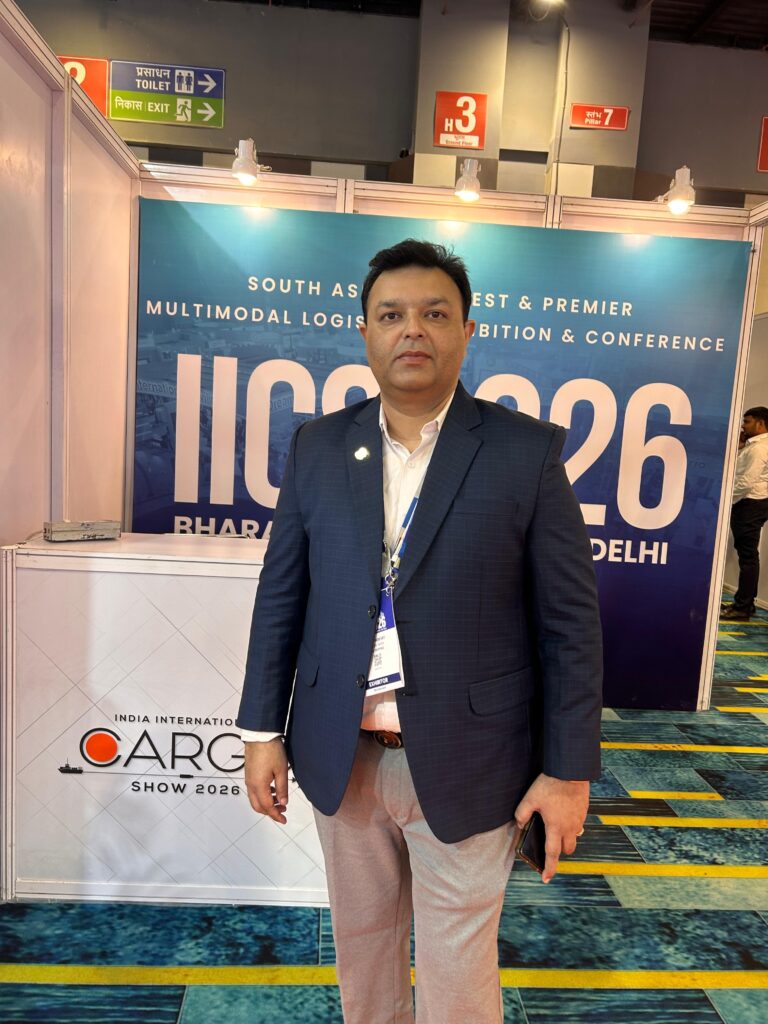
In the world of international trade, there is a stark difference between understanding the theory of global business and feeling the pulse of a live port operation.
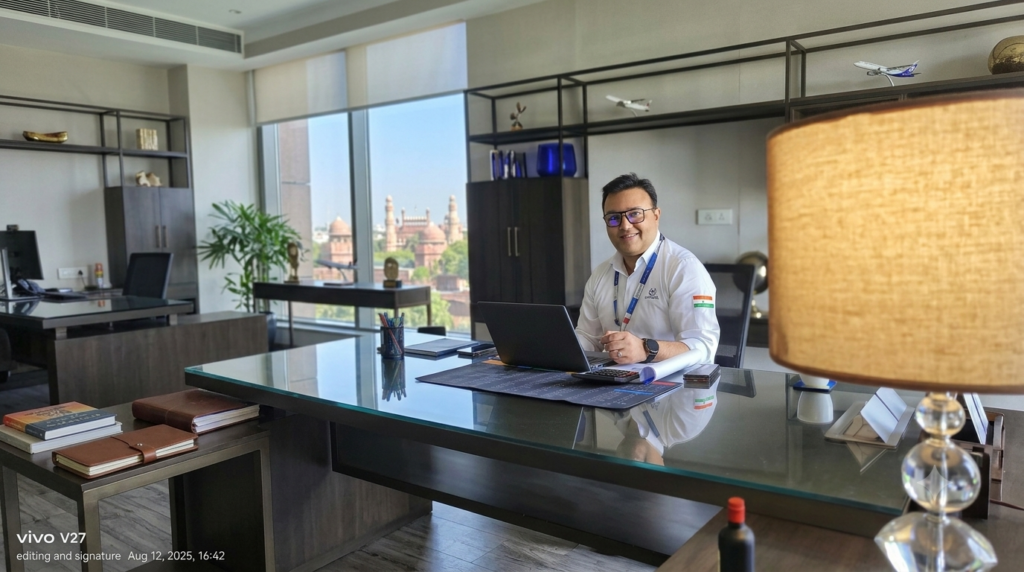
During a recent deep conversation with Tarun Vashisht—a veteran logistician with over two decades of hands-on experience handling complex port operations and supply chains for major corporate houses—one truth resonated louder than the roar of quay cranes: Operations are the absolute backbone keeping Indian industry running, yet a wide knowledge gap remains for the next generation entering the field.
To turn India into a $5-trillion economy and a global manufacturing hub, we must bridge the divide between theoretical textbook knowledge and the real-world operational execution of EXIM (Export-Import) and International Business.
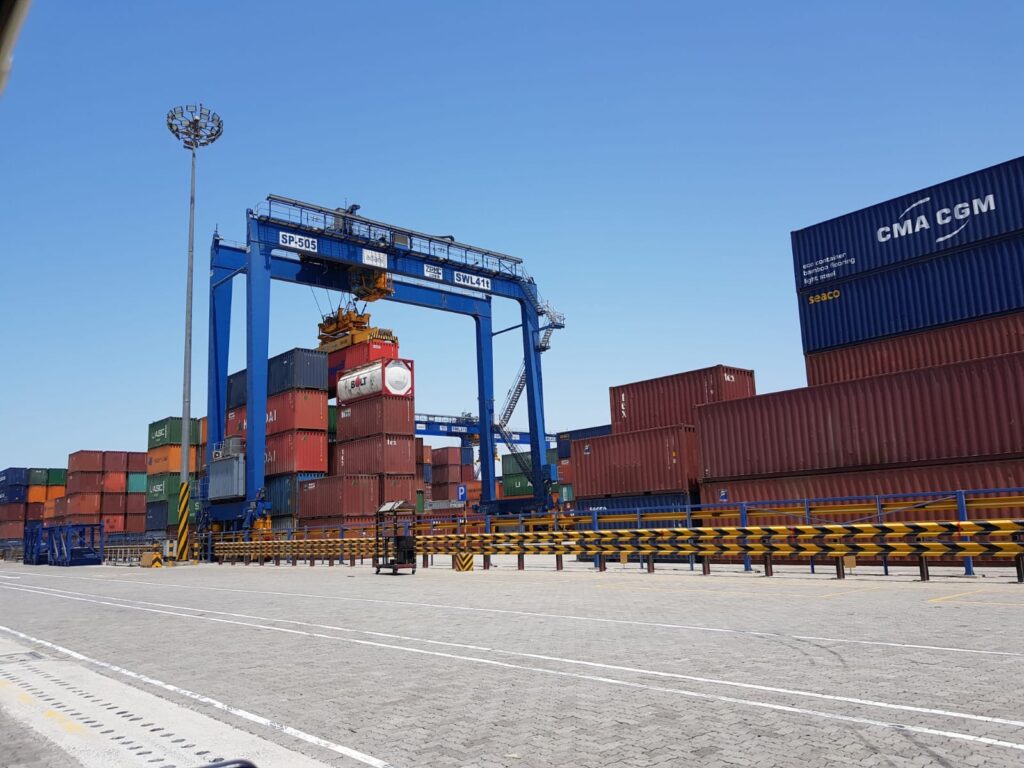
1. The Real Engine of Indian Industry: Port Operations
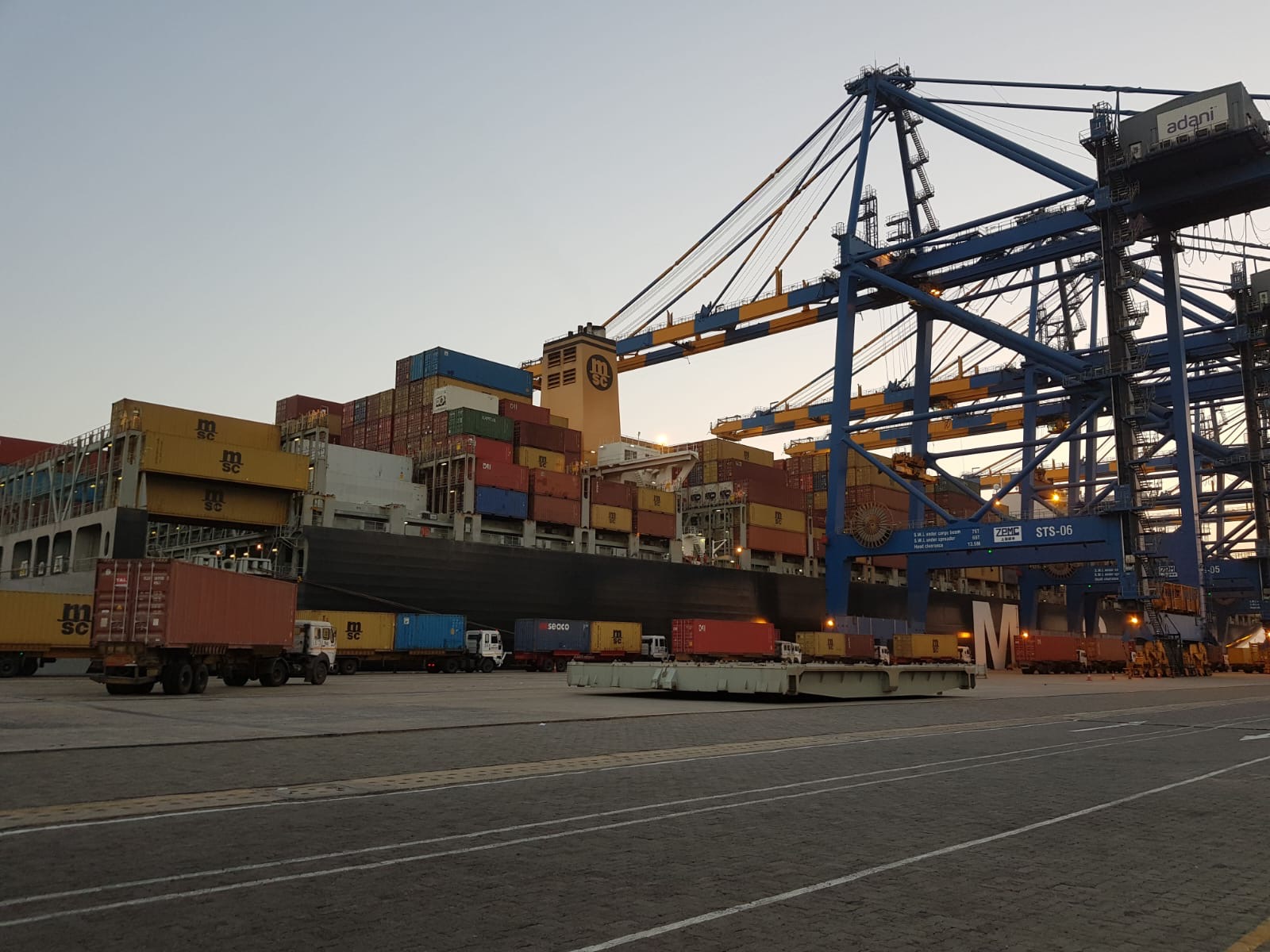
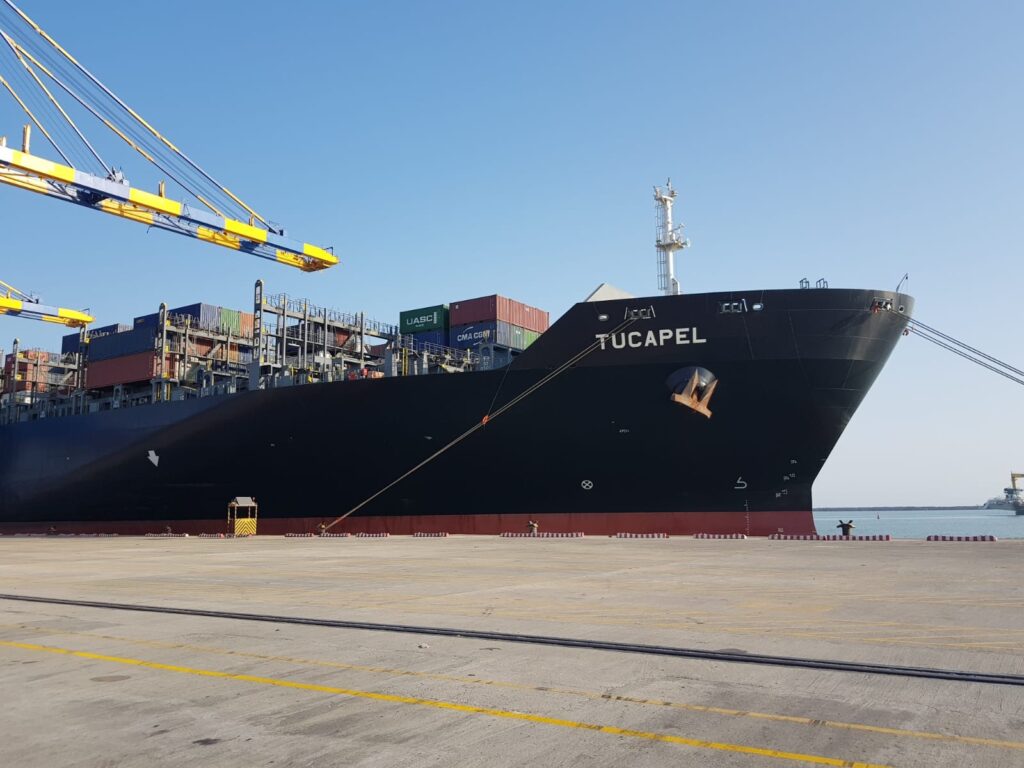
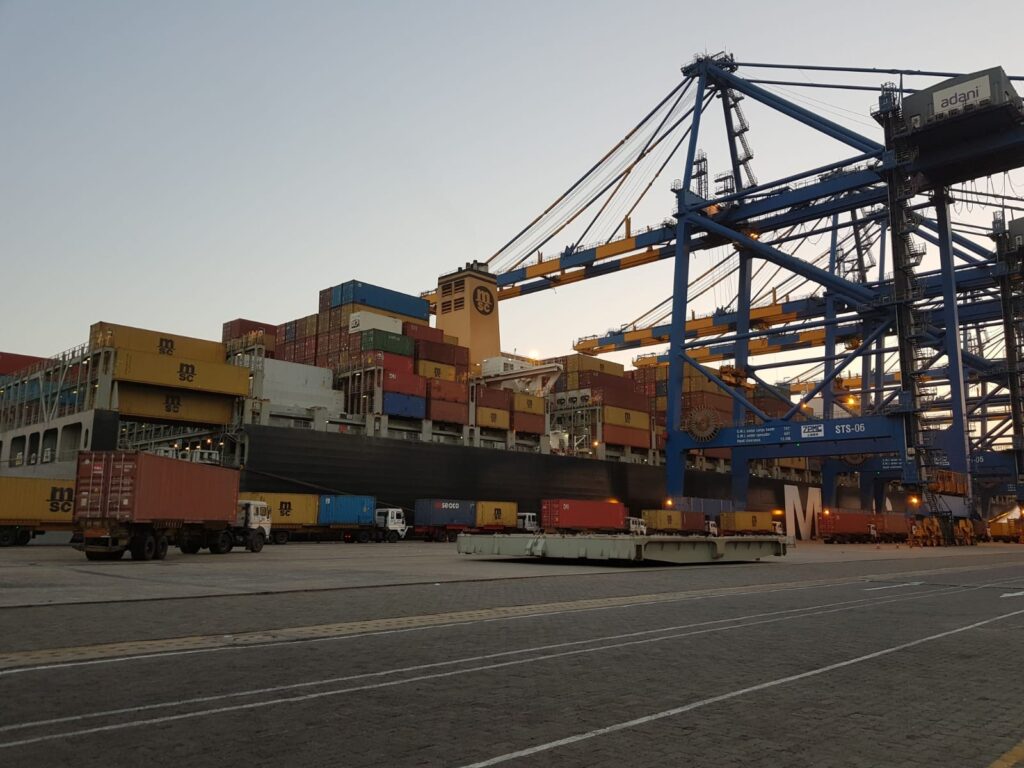
When you stand at a container terminal, you witness the physical heartbeat of national supply chains. Colossal gantry cranes hoisting containers from vessels like the Tucapel or CMA CGM Tosca aren’t just moving metal—they are moving raw materials to Indian factories and carrying finished Indian products to global markets.
If port operations slow down by even a fraction, the ripple effect hits domestic assembly lines, retail shelves, and export commitments. Operations aren’t just a back-end logistics task; they are the strategic driver that dictates the velocity of the Indian economy.
2. The Great Knowledge Gap: Books vs. Ground Reality
For students and young professionals pursuing degrees in International Business and Supply Chain Management, academic curricula provide essential frameworks—trade policies, tariff structures, and global financial models. However, classroom lectures rarely capture the unpredictable nature of ground-level logistics:
Vessel Turnaround & Yard Management: Managing berth allocations, yard congestion, and intermodal transfers in real time.
Risk Mitigation: Responding swiftly to equipment bottlenecks, weather delays, or customs clearance hurdles.
360-Degree Integration: Linking frontline operations directly with sales, marketing, and client relationship management.
Without practical grounding in these operational dynamics, young professionals risk entering the industry unprepared for its fast-paced demands.
3. The Power of Mentorship: Learning from Decades on the Frontline
This is where seasoned leaders like Tarun Vashisht step in. Having navigated the evolution of Indian ports and supply chains over twenty years, his insights offer something textbooks cannot: battle-tested operational wisdom.
Through initiatives like Achievers Talk, industry stalwarts are working in close proximity with dynamic leadership teams across shipping and logistics to mentor rising talent. By connecting experienced leaders directly with eager young minds, this network translates complex field challenges into actionable learning.
4. A Call to Action for India’s Youth
To the students, young professionals, and aspiring leaders in EXIM and International Business: Embrace operational grit.
The future of India’s growth requires professionals who don’t just sit behind desks analyzing trade trends, but who understand the end-to-end journey of a product—from quay side to customer door.
By mastering the balance of operational expertise, strategic sales, and leadership vision, the next generation will not merely participate in India’s EXIM story—they will build the world-class logistics infrastructure that powers it.